Why Your Water Pressure Feels Low and Why Plumbing Police Is the Team to Fix It
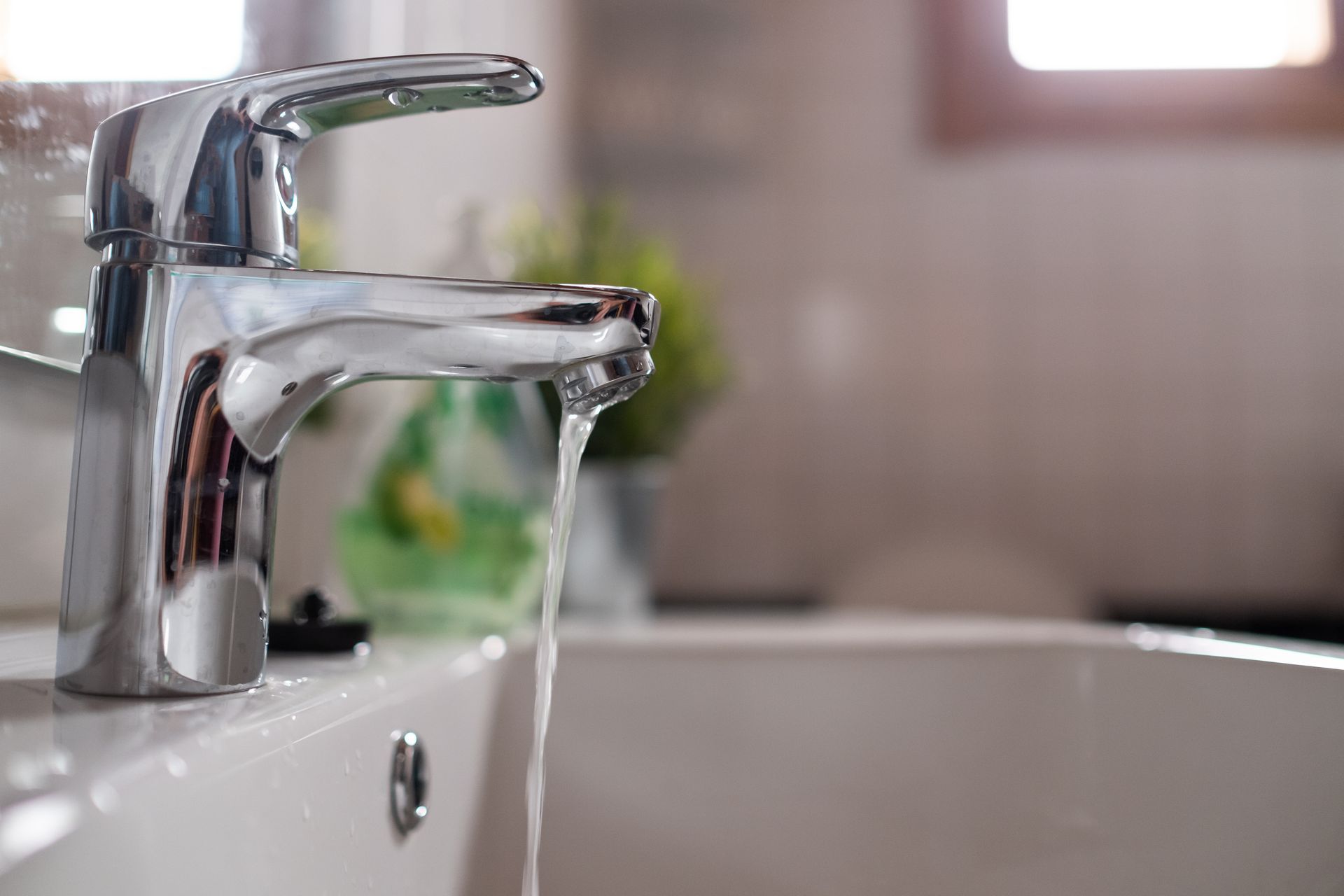
When someone calls me about low water pressure, they usually describe it the same way. The shower feels weak, the kitchen faucet takes forever to fill a pot, or the washing machine seems to run longer than usual. Low water pressure can make everyday tasks feel frustrating, and homeowners often assume it is something they have to live with. The truth is that low water pressure is almost always a sign that something in your plumbing system needs attention. It is not just an inconvenience. It is a signal. When I arrive at a home to diagnose the issue, I always look at the full picture so I can find out what the real cause is and fix it the right way.
Low water pressure can show up in different ways. You might notice it only in one faucet, or you might feel the reduction everywhere in the house. Each situation points to something different. When the whole home is affected, the cause is usually tied to the main water line, the pressure regulator, or buildup in the system. When only one area is affected, the issue might be related to the fixture, the shutoff valve near that fixture, or a blockage in that individual line. My job is to identify exactly where the problem starts and why it is happening.
One of the most common causes of low water pressure is mineral buildup inside the plumbing system. Over time, minerals from hard water collect inside your pipes. Even a thin layer of buildup is enough to restrict water flow. Homeowners usually do not realize it because the change happens slowly. They get used to the pressure declining little by little until it finally becomes noticeable. When I inspect a home and find buildup, I explain what is happening inside the pipes and show how it connects to the pressure drop they are experiencing.
Another frequent cause is a failing pressure regulator. This is a device located on your main water line that manages the incoming water pressure from the city supply. When it starts to wear out or malfunction, you can experience either very low pressure or very high pressure. Both situations can create long term problems. Low pressure is inconvenient, but high pressure puts stress on your entire plumbing system. That is why I always check the regulator whenever a homeowner reports pressure issues. If the regulator is the source of the problem, replacing it prevents future damage and restores proper water flow.
Leaks also play a major role in low water pressure. If water is escaping somewhere in the system, even if you cannot see the leak, the remaining pressure declines. Sometimes the leak is hidden behind a wall, under the home, or underground. One of the first things I do during a pressure inspection is check for signs of hidden leaks because they can cause both water damage and pressure loss. Homeowners often tell me they had no idea anything was leaking until I pointed out the signs. A professional eye is important because leaks are not always obvious.
Another situation I encounter involves partially closed valves. A shutoff valve that is even slightly out of position can restrict water flow. This can happen if a valve was adjusted during a repair or if it was bumped during storage near the plumbing line. Homeowners usually do not realize this because valves are not something people examine daily. During an inspection, I make sure every valve is positioned correctly, and I explain the purpose of each one so the homeowner understands how their system works.
Low water pressure can also be connected to issues with the water heater. Sediment buildup inside the tank affects the flow of hot water. When the tank fills with sediment, the available space for hot water decreases, and the pressure coming from the hot water side starts to weaken. Many homeowners think the hot water pressure and cold water pressure operate independently, but they work together in many ways. When one side slows down, the whole system can feel unbalanced. When I evaluate pressure issues, I always check the water heater because it is often part of the problem.
One of the biggest misconceptions about low water pressure is that it is something you have to tolerate. I hear this often from homeowners who have lived with weak pressure for years. They tell me they thought it was normal for their home or that it was just part of having an older plumbing system. That is not the case. Low pressure is almost always correctable once the root cause is identified. When I finish a repair and the water pressure returns to normal, homeowners tell me it feels like their home has completely changed. Showers feel better, sinks work the way they should, and appliances perform more efficiently. Good pressure makes a bigger difference than most people realize.
One thing I always emphasize is that low water pressure is not something to troubleshoot on your own. Plumbing systems are interconnected. Adjusting one part without understanding the rest can make the issue worse. I have seen situations where homeowners tried to fix pressure themselves and accidentally created leaks, damaged fixtures, or made the pressure drop even further. When I handle the problem, I approach it with a full system perspective. My goal is not only to restore the pressure but to protect your plumbing from future issues.
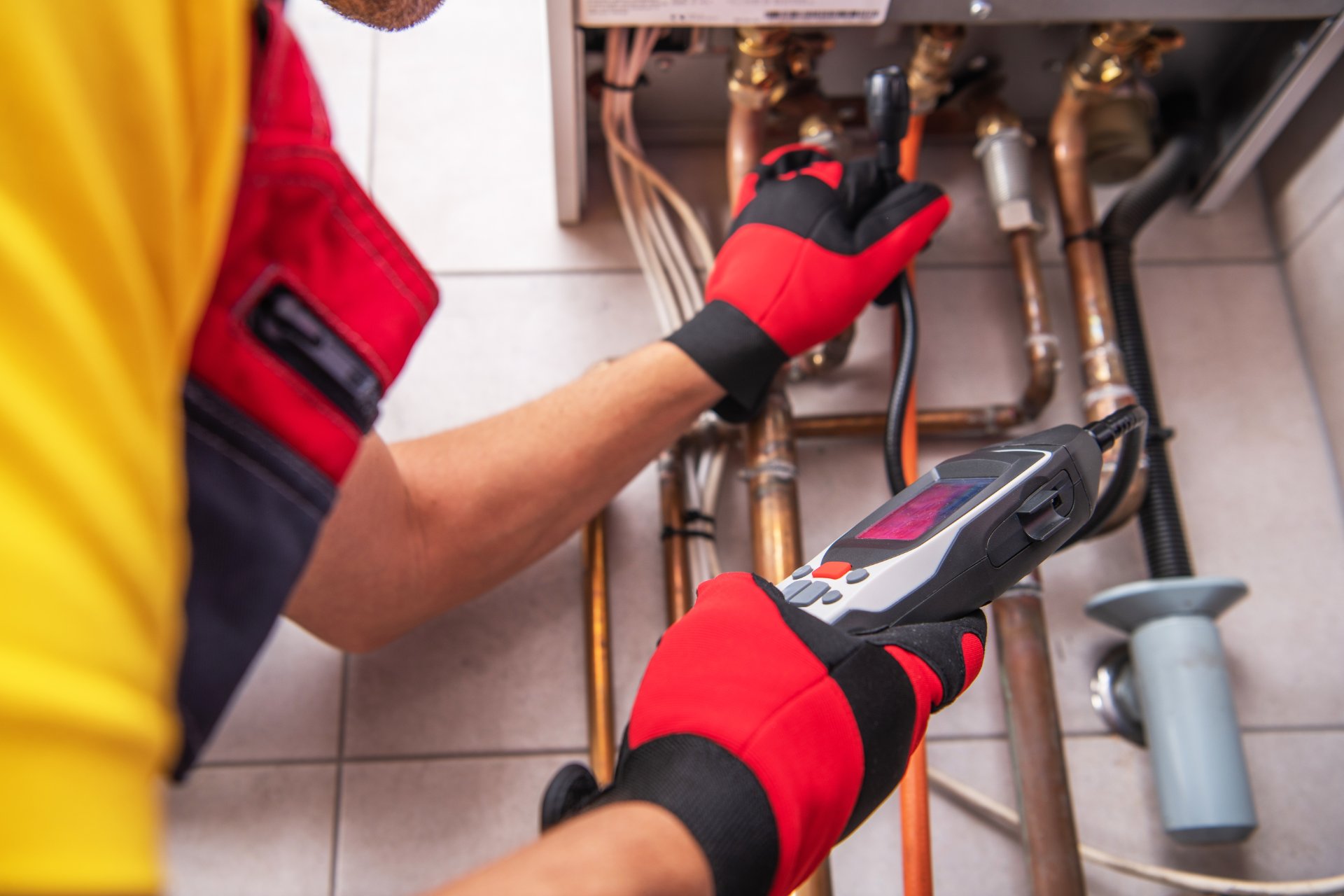
When you call Plumbing Police, you get a full diagnostic approach. I check the pressure regulator, inspect the pipes, evaluate the water heater, test individual fixtures, and look for signs of leaks or blockages. I explain what I find and give you honest recommendations. I want you to understand what is happening and feel confident that the solution will last. My goal is to fix the problem completely, not temporarily.
Low water pressure affects comfort, efficiency, and even your water bill. You do not have to live with it. If you are tired of weak showers, slow running faucets, or long appliance cycles, it is time to have your system inspected by a professional. I am here to restore strong, steady pressure and make your home feel right again.
If you are ready to get to the bottom of your water pressure issues, reach out today. Plumbing Police will evaluate your system, find the true cause, and fix the problem with precision and care. Book your service and let me bring your water pressure back where it belongs.