What Stafford County Residents Should Know About Water Heater Lifespans

June 24, 2025

What Stafford County Residents Should Know About Water Heater Lifespans

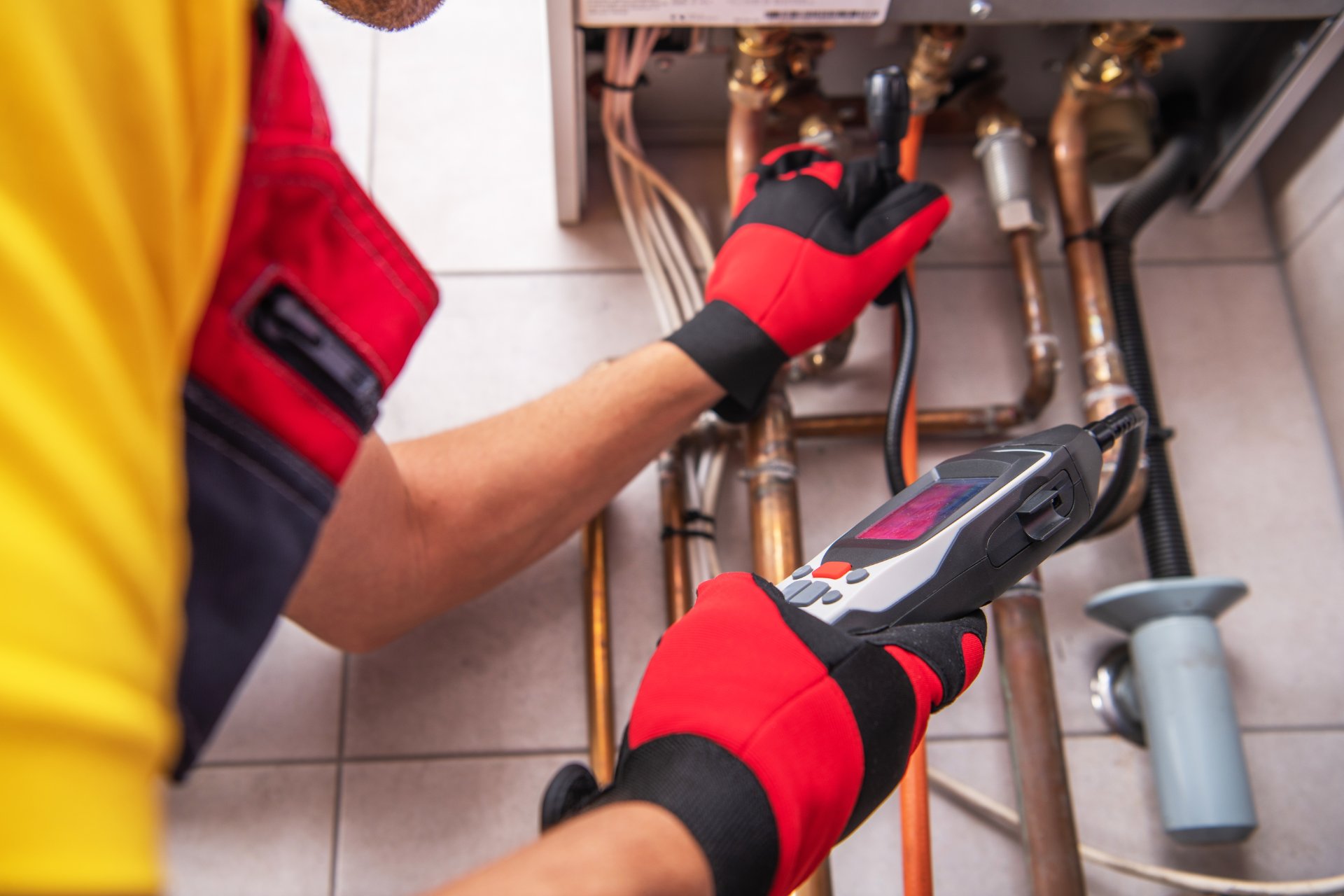
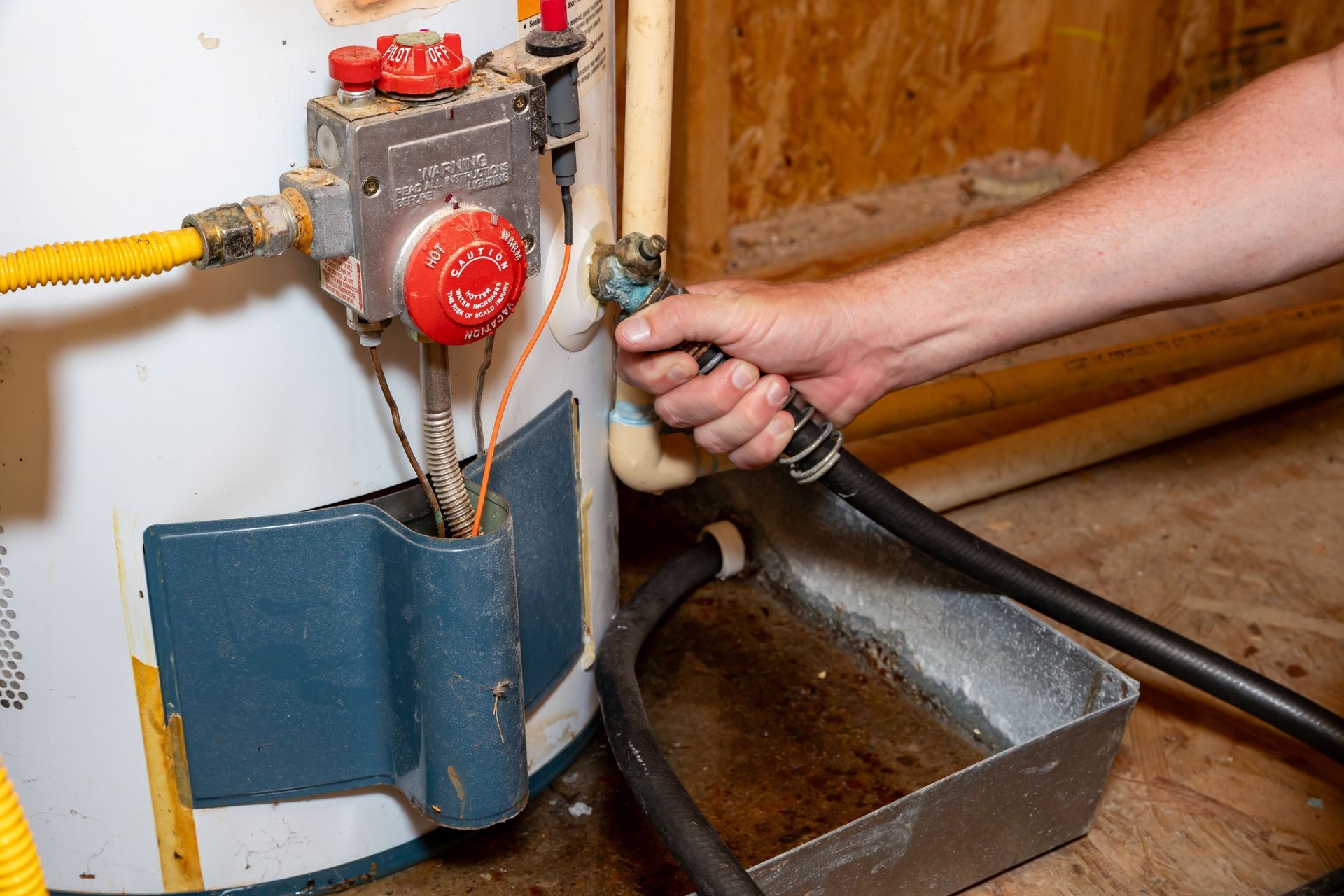
If your water heater is getting older or acting up, you’re not alone. Many homeowners in Stafford County deal with aging systems that cost more to operate and don’t deliver consistent hot water. At Plumbing Police, we help people every day decide whether it’s time to repair or replace their water heater, and we make sure the job gets done right the first time.


Let’s walk through what you should know about how long a water heater should last and when it’s time to call us in.


How Long Does a Water Heater Last?

Most traditional tank water heaters last 8 to 12 years. Tankless water heaters can last closer to 15 or even 20. But that range depends on how well the unit has been maintained, what kind of water it runs on, and how often it’s used.


Here in Stafford County, we see a lot of systems wear down early due to hard water. Sediment builds up in the tank, making the unit work harder and less efficiently. That extra strain shortens the lifespan and increases your energy bills.


If your system is over 8 years old and you’re not sure how it’s performing, give us a call. We’ll take a look and give you honest feedback on whether it’s time for a replacement or if it can be safely repaired.


Signs Your Water Heater Might Be Failing

If you’re noticing any of these problems, it’s time to schedule service:


  • Hot water runs out quickly
  • Water doesn’t get as hot as it used to
  • You hear banging or rumbling from the tank
  • Rusty or discolored water
  • Water pooling under or around the unit
  • A sudden spike in your utility bill

These are all signs that your water heater might be breaking down. Don’t wait for it to stop working completely. We can usually catch the issue early and help you avoid an emergency.


Should You Repair or Replace?

Not every issue means it’s time to replace your system. If your water heater is relatively new and the problem is minor, we may be able to repair it and get it back in top shape. But if the unit is nearing the end of its life, a replacement can save you more money over time.


When we inspect your water heater, we’ll be direct with you about what we find. We give flat-rate pricing up front, and we won’t push you into anything you don’t need.


We’ll Help You Choose the Right Water Heater

Not sure what kind of water heater is best for your home? We’ve got you covered. Whether you’re looking for a basic tank model or want to upgrade to a tankless system, we’ll help you choose the right unit based on your home size, water usage, and energy preferences.

We install:


  • Gas and electric tank water heaters
  • High-efficiency models
  • Tankless water heaters for on-demand hot water

No guesswork, no surprises. We make the process easy.


Why It Matters to Hire a Licensed Pro

Water heater installation isn’t something you want to mess with. Incorrect installation can lead to leaks, poor performance, or even a fire hazard. Our licensed plumbers know the local codes in Stafford County, and we make sure everything is installed safely and efficiently.


When you call Plumbing Police, you’re getting a licensed, insured professional who shows up on time and gets it done right.


Why Upgrade Now?

If your current unit is over 10 years old, an upgrade comes with several benefits:


  • Lower monthly utility costs
  • More consistent hot water
  • Compact options to save space
  • Better warranty protection
  • Peace of mind

We can usually install your new water heater the same day you call. Our trucks come fully stocked, and our techs are trained to handle everything on-site without extra appointments or delays.


Ready to Get Started?

If you live in Stafford County and your water heater is giving you problems, don’t wait. Give us a call at (540) 371-3570 or schedule your appointment online. We’re here to help you avoid cold showers, high bills, and unexpected plumbing headaches.


At Plumbing Police, we fix water heaters the right way, and we do it fast. Let us know how we can help.
December 4, 2025
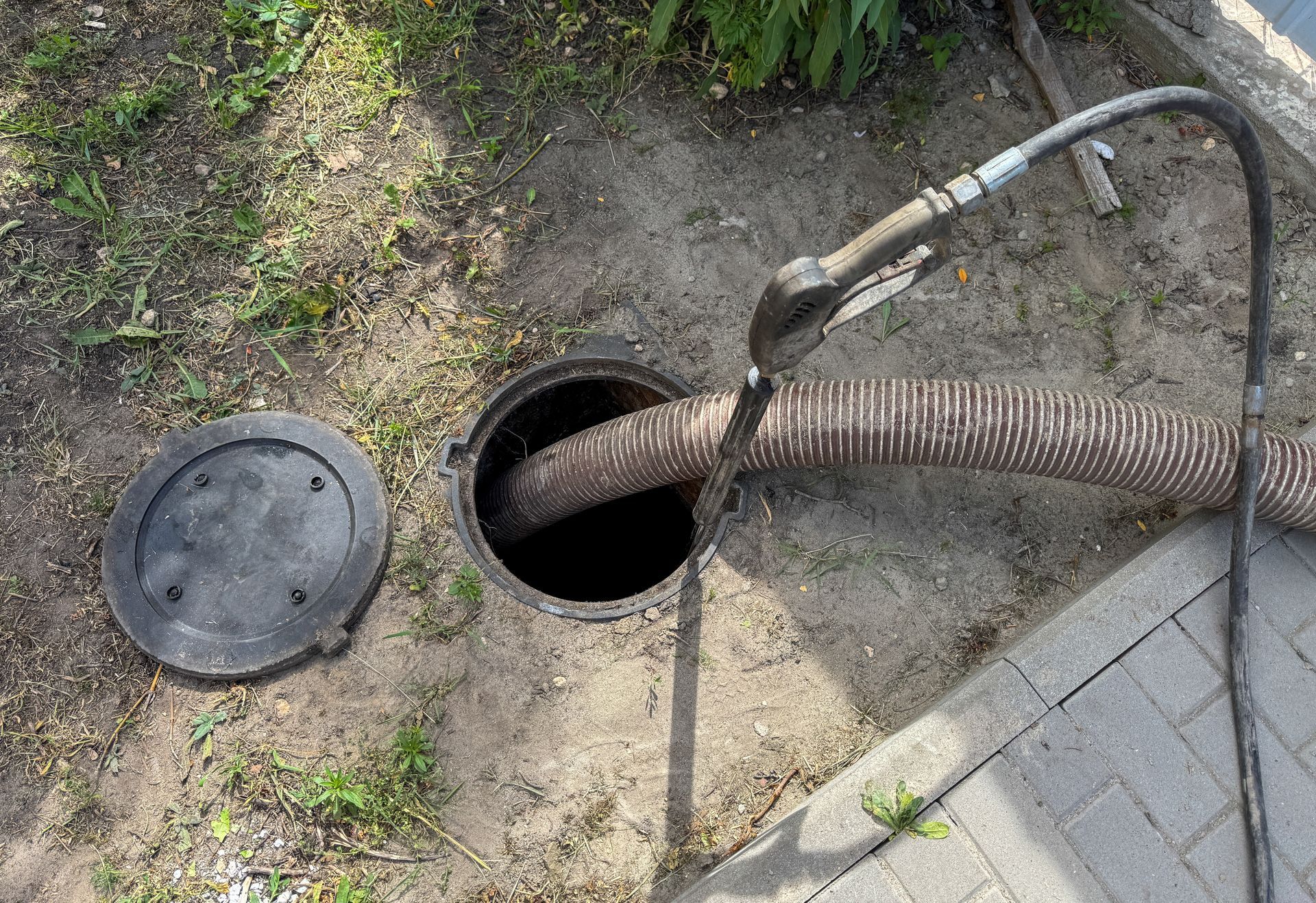
Drain problems are one of the most common issues I deal with, and they are also one of the most misunderstood. Most homeowners notice a slow drain and think it is nothing to worry about. They assume it will clear itself or believe it is just a small inconvenience they can work around. What many people do not realize is that a slow drain is usually the first sign of a much bigger issue developing inside the plumbing system. Once the problem becomes noticeable on the surface, it has already been building for a while. That is exactly why professional drain cleaning is essential and why Plumbing Police is the right team to handle it. When I arrive at a home with drain issues, the homeowner usually tells me the same thing. The drain was fine a few weeks ago, then it slowed down a little, and now it barely moves at all. They often try to ignore it until it becomes frustrating or until it starts affecting their daily routine. The truth is that drains do not slow down overnight. Buildup forms gradually inside the lines. Hair, soap, oils, grease, food residue, mineral deposits, and other debris accumulate over time. As the buildup layers inside the pipe, the opening becomes smaller and smaller. What starts as a slight delay becomes a full clog if nothing is done. Another thing people do not always realize is that slow drains can cause pressure changes inside the plumbing system. When water cannot move freely, it forces air to shift inside the lines. This creates gurgling sounds, bubbling drains, and sometimes even foul smells. These signs are your plumbing system telling you something is wrong. When I hear these symptoms, I already know there is an obstruction deeper in the line that needs professional attention. Ignoring those early signs leads to bigger and more expensive problems down the road. One of the biggest mistakes homeowners make is trying to handle drain issues on their own. Many store bought products claim to clear clogs, but they rarely solve the real issue. Some of these products contain harsh chemicals that can damage pipes, erode seals, or push a blockage further down the line where it becomes even harder to remove. I have been called to many homes where a homeowner used a chemical cleaner and ended up with a worse clog or even pipe damage. That is why I always say drain problems should never be handled with guesswork. Professional tools and trained experience are the safest way to restore a drain correctly. When I clean a drain, I do not just clear the clog. I evaluate the entire system. I want to understand where the blockage started, what caused it, and whether there is buildup in other parts of the line. Many times, a slow drain in one sink means the entire branch line has debris accumulating. If I only clear the small symptom, the problem will return. That is why I take a comprehensive approach. Once I diagnose the cause, I use the right equipment to remove the blockage safely and completely. I make sure water flows smoothly again and that the pipe is free of obstructions. Another issue I often find is early signs of sewer line trouble presenting as drain problems. Homeowners are usually surprised when I explain how connected their drains are to the sewer system. If you see slow movement in multiple drains at once, that is a strong sign the problem is deeper. It could be tree roots penetrating the sewer line, a collapsed section of pipe, or a buildup of debris that has created a major blockage. This is not something a homeowner can fix on their own. It requires the right equipment and the expertise to diagnose the issue accurately. Plumbing Police handles these situations with precision so the problem is resolved before it causes a backup in the home. Sewer backups are one of the most unpleasant plumbing issues a homeowner can face. When wastewater comes back into your home, it creates health risks, major cleanup costs, and structural damage. I always tell homeowners that sewer line maintenance is one of the smartest investments you can make. Professional drain cleaning is a key part of that maintenance. By keeping your lines clear and inspecting them regularly, you significantly reduce your risk of facing a sewer emergency. My goal is to catch these issues early before they reach that point. Another reason professional drain cleaning is so important is that it extends the lifespan of your plumbing system. Buildup inside pipes creates friction and pressure where it should not exist. Over time, this can cause premature wear, corrosion, and leaks. When I clean your drains, I also evaluate the condition of the pipes themselves. If I see early signs of aging or damage, I tell you right away and provide options to keep your system healthy. Homeowners appreciate this level of transparency because it helps them avoid surprise repairs in the future. Many homeowners also ask how often they should have their drains cleaned. The truth is that every home is different. Households with many people, pets, or heavy kitchen use may need service more often. Older homes with aging pipes also benefit from regular maintenance. I help you determine the right schedule based on your plumbing system and lifestyle. My goal is not to sell unnecessary service. It is to keep your home running smoothly and prevent issues that could disrupt your life. When you call Plumbing Police for drain cleaning, you get much more than a quick fix. You get a full inspection, professional cleaning, and long term protection for your plumbing system. I take the time to explain what I find, what caused the issue, and how to prevent it from returning. Homeowners tell me they appreciate how simple I make the process and how much better their plumbing works afterward. A smooth running plumbing system makes life easier. Slow drains, foul smells, repeated clogs, and noisy pipes should never be part of your daily routine. These issues are signs that something deeper is going on, and the sooner you address them, the easier the repair will be. I am here to make sure your drains stay clear, your plumbing system stays healthy, and your home stays protected.  If you are dealing with a slow drain or notice any signs that something is building up inside your lines, reach out today. Plumbing Police will take care of the problem, clean your system thoroughly, and give you peace of mind knowing your home is in good hands.
November 30, 2025
Plumbing emergencies always seem to happen at the worst possible moments. A pipe bursts in the middle of the night, a toilet overflows right before guests arrive, or water starts pouring from a place you never expected. I have seen every type of emergency, and I know how stressful they can be for homeowners. When something goes wrong with your plumbing, your first reaction is usually panic. You hear the water, you see the mess, and your mind starts racing. You wonder how much damage is happening, how quickly you can stop it, and who you should call. That is exactly why I created Plumbing Police. I am here to handle stressful situations with experience, speed, and professionalism so you never have to manage them alone. When a plumbing emergency happens, the most important thing to understand is that time matters. Water can cause damage faster than most people realize. What starts as a small leak can quickly spread through walls, floors, cabinets, and electrical areas. The longer water moves, the more it saturates the space. I have walked into homes where a leak went on for only a few hours and still caused thousands of dollars in damage. That is why calling Plumbing Police right away makes such a difference. I arrive quickly, assess the situation, stop the problem, and prevent the damage from spreading further. One of the most common emergencies I respond to is burst pipes. A burst pipe can release a large amount of water in a short period of time. It can flood rooms, damage flooring, and even ruin personal belongings. Causes can vary. Sometimes it is a result of freezing temperatures. Other times it is due to aging pipes or high water pressure. No matter the reason, a burst pipe needs immediate professional attention. When I handle one, I locate the break, shut off the necessary connections, repair the damage carefully, and inspect the surrounding area to make sure the issue is contained. Another emergency that homeowners underestimate is an overflowing toilet. It seems simple at first, but an overflowing toilet can create unsanitary conditions and damage flooring and drywall. If the issue continues long enough, it can also affect lower levels of the home. I respond to these emergency calls often, and homeowners are always relieved to have help arrive quickly. Toilets overflow for several reasons, including clogs deep inside the line or malfunctioning tank components. My job is to identify the real cause, stop the overflow, and make sure everything is operating safely. Water heater failures are another major source of emergencies. A failing water heater can leak, burst, or stop working entirely. A leaking water heater can cause extensive damage in areas like garages, laundry rooms, and closets. If the tank bursts, the damage can be immediate and severe. Homeowners often tell me they had no idea their water heater was close to failing. Many water heater emergencies happen suddenly, without clear warning. When I arrive, I shut off the appropriate valves, drain the tank if needed, and determine whether the unit can be repaired or must be replaced. I make the process as smooth as possible so you do not have to worry about navigating the situation on your own. Another emergency I see involves sewer backups. When sewage starts coming back into a home, it is one of the most stressful situations for a homeowner. The smell, the mess, and the potential health hazards create a sense of urgency. Sewer backups often come from blockages, collapsed lines, or tree root intrusion. These issues require professional equipment and expertise to repair safely. When I arrive to handle a sewer backup, I work quickly to stop the flow, clear the blockage, and restore safe conditions inside your home. I also take time to explain why it happened and what steps can prevent it in the future. Sometimes emergencies begin with something small. A strange sound in the walls, a faint smell near a drain, or water pooling in an unexpected place. Many homeowners ignore these early signs because they do not seem serious. The problem is that hidden plumbing issues almost always get worse. When a homeowner calls me at the first sign that something might be wrong, we solve the issue quickly and avoid a much larger repair. When they wait, the situation can escalate into an emergency. That is why I always encourage homeowners to trust their instincts. If something feels off, call Plumbing Police and let me take a look. The most valuable thing I bring to a plumbing emergency is experience. When I walk into a home, I know exactly what to look for. I understand how plumbing systems behave under stress, where water is likely moving, and which components are most at risk. I work quickly but carefully, making sure I address the immediate problem while protecting your home from further damage. Homeowners tell me they feel calmer the moment I arrive because they know they are in good hands. Another advantage of calling Plumbing Police is the level of communication I provide. During an emergency, you want clarity. You want to know what is happening, what needs to be done, and how long the repair will take. I explain everything in simple terms so you understand the process. I make sure you feel supported from the moment I arrive until the job is complete. After the emergency is resolved, I always inspect the rest of the plumbing system to check for related issues. Emergencies rarely happen in isolation. If a pipe burst, there might be other pipes under stress. If a water heater failed, your pressure levels may need adjustment. My goal is to leave your home safer and more reliable than it was before the emergency. Plumbing emergencies are overwhelming, but you do not have to face them alone. When something goes wrong, call Plumbing Police. I will arrive quickly, stop the damage, fix the problem, and guide you through every step with confidence and care. Your home deserves expert protection, and I am here to provide it.  If you are experiencing a plumbing emergency or notice the early signs of one, contact Plumbing Police immediately. I will take control of the situation and make sure your home is safe, dry, and back to normal as quickly as possible.
November 25, 2025
When I talk to homeowners about plumbing upgrades, the first thing they usually ask is whether the investment is worth it. They want to know if upgrading fixtures or adding new technology will actually make a difference in their home. The short answer is yes. Modern plumbing upgrades are designed to improve water efficiency, lower utility bills, and create a more comfortable and reliable experience. What many homeowners do not realize is how much everyday fixtures contribute to water waste or system strain. Small improvements often lead to big savings. When I walk homeowners through their options, they are usually surprised to learn how much they can gain from these updates. Plumbing Police is here to help you choose the right upgrades and install them with precision so you get the full benefit. One of the most popular upgrades today is low flow fixtures. These include faucets, showerheads, and toilets that are engineered to use less water without reducing performance. Many people worry that low flow means weak water pressure, but modern technology has eliminated that issue. These fixtures are designed to maintain strong flow while using significantly fewer gallons per minute. I have installed countless low flow upgrades, and homeowners consistently tell me they notice no loss in comfort. What they do notice is a lower water bill. Over time, these savings add up and often offset the cost of the upgrade. Another upgrade I often recommend is a high efficiency toilet. Older toilets can use far more water than necessary with every flush. High efficiency models are engineered to clear the bowl effectively while using a fraction of the water. This is especially valuable for larger households where toilets are used frequently. When I install these systems, I make sure you get a toilet that fits your home, your plumbing layout, and your expectations for performance. Many homeowners are surprised to learn how much water a single outdated toilet can waste in a month. Upgrading it is one of the easiest ways to reduce your water usage without changing any habits. Smart leak detection systems are another upgrade growing in popularity. These devices monitor your plumbing system continuously and alert you if a leak is detected. Some models can even shut off the water automatically to prevent further damage. I recommend these systems for homeowners who travel often, have older plumbing, or simply want peace of mind. I have seen small undetected leaks cause major damage behind walls and under floors. A smart leak detection system is a simple way to protect your home from that kind of disaster. When I install one, I make sure it is positioned correctly and integrated with your existing plumbing so you get accurate readings and reliable protection. Water filtration systems are also becoming more common in modern homes. Depending on where you live, the water supply may contain minerals or impurities that affect taste, cleanliness, or long term plumbing performance. A whole home filtration system improves water quality at every tap. It also reduces mineral buildup inside your pipes and appliances, which helps extend their lifespan. Homeowners who switch to filtered water often tell me they notice the difference immediately. The water tastes cleaner, dishes rinse better, and showers feel more refreshing. When Plumbing Police installs a filtration system, I make sure the setup matches your water supply, your home size, and your long term needs. Tankless water heaters are another upgrade that offers major benefits. Unlike traditional water heaters that store hot water, tankless systems heat water on demand. This means you never run out of hot water. These systems are more energy efficient because they heat only what you need. They also last longer than traditional units when maintained properly. Homeowners who switch to tankless models love the consistent performance and the reduced utility bill. Installing a tankless heater requires careful evaluation of your gas or electrical supply, venting, and plumbing layout. I handle all of that so your system works flawlessly from day one. Pressure regulating valves are another upgrade that many homeowners do not know about. These devices control the water pressure coming into your home. High water pressure might feel nice in the shower, but it puts stress on pipes, fixtures, and appliances. Over time, that stress can lead to leaks, bursts, and expensive damage. Installing a pressure regulating valve protects your entire plumbing system and helps it last longer. I check water pressure during every inspection because it is an easy issue to overlook and has a big impact on your home. If your pressure is too high, upgrading the valve is one of the smartest decisions you can make. Recirculation pumps are another useful upgrade. These systems keep hot water moving through your lines so you do not have to wait for the water to heat up every time you turn on the tap. This saves water, time, and energy. Homeowners love the convenience, especially in larger homes where the water heater is far from certain rooms. Installing a recirculation pump requires proper sizing and correct placement in your plumbing system. When I install these systems, I make sure they operate efficiently and quietly. Backflow prevention devices are also essential upgrades for many homes. These devices ensure that contaminated water cannot flow backward into your clean water supply. Municipal codes often require them, especially in homes with irrigation systems or certain types of equipment. Even when they are not required, they are an important safeguard. I evaluate your system to determine whether a backflow device is needed and install it correctly to protect your home. Homeowners sometimes ask whether they can install these upgrades themselves. I always explain that modern plumbing technology requires precise installation, correct sizing, and professional calibration. Improper installation can damage equipment, void warranties, or create safety risks. My job is to ensure that every upgrade is installed correctly and performs exactly as intended. When you choose Plumbing Police, you get the benefit of my experience, my training, and my commitment to your home. Upgrading your plumbing is not just about modernizing your home. It is about improving performance, reducing water waste, increasing efficiency, and protecting your investment. Small upgrades can lead to long term savings and a better experience every day. When you are ready to explore your options, I am here to guide you through the choices and install everything with care.  If you want to improve your home, lower your water bill, or upgrade to more reliable plumbing technology, reach out today. Plumbing Police will help you choose the right upgrades and install them professionally so you get the full benefit from day one.
November 20, 2025
I meet homeowners all the time who tell me they are not sure when they should call a plumber and when something can wait. Plumbing is one of those areas where people feel unsure because many issues start small. A little noise here, a slow drain there, or a faucet that drips only sometimes. It can be tempting to ignore these problems or to assume they will go away on their own. The truth is that some plumbing problems are harmless at first, but others are early warning signs. If you know which ones to watch for, you can protect your home from major repairs and unnecessary expenses. That is why I always say it is not about learning to fix plumbing yourself. It is about knowing when to bring in Plumbing Police. One of the most common issues homeowners ignore is inconsistent water pressure. They tell me it comes and goes or only affects certain parts of the house. They learn to work around it, but pressure changes are never random. Pressure can drop because of buildup inside your pipes, issues with the pressure regulator, or even a hidden leak. When pressure increases unexpectedly, it can put strain on every part of your plumbing system. Both situations need attention, because ignoring them leads to bigger problems later. I always encourage homeowners to reach out when they notice these changes. Early detection saves time, money, and stress. Strange noises are another issue people dismiss. I hear this all the time. A homeowner says their pipes make a humming sound or a knocking noise, but it has been happening for months so they just got used to it. No plumbing system should make consistent noise. Sounds come from pressure fluctuations, loose pipes, sediment buildup, or malfunctioning valves. Noise is your plumbing system trying to tell you something. When I investigate these sounds, I often uncover problems the homeowner never knew existed. Fixing the issue early prevents more serious damage, especially in older homes where pipes may already be worn. A problem that should never be ignored is water that appears anywhere it should not be. Moisture around the base of a toilet, water on the floor near the water heater, or damp spots on a wall or ceiling are clear signs that something is leaking. Even when the leak looks small, it can cause major damage behind the scenes. I have opened walls where a slow leak went unnoticed for months and caused mold, wood rot, and structural issues. Before the homeowner knew it, a simple repair turned into a larger restoration project. Calling Plumbing Police at the first sign of moisture helps you avoid all of that. Another common situation involves slow drains. Many homeowners think of a slow drain as a minor annoyance, but it is usually a sign of buildup or a blockage that is forming in the line. When water does not move the way it should, pressure changes inside the pipes and the blockage grows. If the issue continues long enough, it can lead to a full clog or even a backup. A drain that moves slowly once in a while is not something to ignore. It is your plumbing system signaling that something is beginning to fail. When I handle slow drains, I look at the full line to find the true cause so the issue does not return. Unusual smells are another red flag. If you notice a sewer like odor coming from a drain, bathroom, or utility area, something is wrong. It could be related to a venting issue, a dry trap, or a more serious sewer line problem. Homeowners sometimes assume it is just a temporary smell, but sewer odors are never normal. They are a sign that gas or bacteria is entering your home, and that needs immediate attention. When I arrive, I track down the source quickly and make sure the issue is resolved so your home stays safe and healthy. Fluctuating water temperature is a problem many people think is harmless. They assume it is something with the water heater or that it is just a quirk of the home. But temperature swings often point to deeper issues like failing components inside the water heater, sediment buildup, or problems with the mixing valve. All of these issues can get worse over time and can eventually lead to a full system failure. When I evaluate temperature problems, I not only fix what is wrong but also inspect the rest of the system to prevent future breakdowns. Another situation that should not be ignored involves repeated toilet issues. If your toilet clogs regularly, runs constantly, or struggles to flush completely, something inside the system is failing. It could be the internal components, buildup in the line, or even an early sign of sewer issues. Toilets are one of the most used fixtures in a home, and small issues become big problems quickly. Many homeowners tell me they put off calling because the toilet still worked most of the time. Once I explain the underlying problem, they always wish they had reached out sooner. One of the biggest mistakes homeowners make is waiting too long to call. They hope the issue will go away or believe it is not serious enough for a professional. The reality is that plumbing problems never fix themselves. They either stay the same or get worse. The longer you wait, the more complicated and expensive the repair becomes. My advice is simple. If something feels off, sounds off, or looks off, let Plumbing Police take a look. A quick inspection is always better than a costly emergency later. When you call me, you are not just getting a service visit. You are getting a full evaluation by someone who understands how every part of your plumbing system works together. I look beyond the symptom and find the root cause. I make sure the repair is thorough, long lasting, and tailored to the needs of your home. Homeowners tell me they appreciate how clear and simple I make the process. My job is to take the uncertainty out of plumbing and give you confidence that your home is protected.  Your home should feel comfortable, safe, and stress free. Plumbing problems should not interrupt your daily life or cause unnecessary worry. When you know which warning signs to watch for and when to call Plumbing Police, you avoid major repairs and keep your home in good shape. If you are dealing with any of the issues I mentioned, or if something in your home does not feel right, reach out today. I will inspect the problem, explain what is happening, and take care of the repair with the detail and professionalism your home deserves.
November 13, 2025
Choosing the right water heater is one of the most important decisions you can make for your home. It affects your comfort every day, from your morning shower to your evening dishes. It impacts your utility bill, your long term maintenance costs, and even the value of your home. When I meet with homeowners who are deciding between a traditional water heater and a tankless model, they almost always have the same question. Which one is better. The truth is that neither option is universally better. The right choice depends on your home, your lifestyle, and your goals. My job at Plumbing Police is to guide you through that decision so you end up with a system that works perfectly for your needs. Traditional water heaters have been the standard for decades. They store a set amount of water in a large tank and keep it heated so it is ready when you need it. Most homeowners are familiar with how these units work because they usually grew up with one. They provide a steady, reliable supply of hot water. The upfront cost is usually lower than tankless models, and many homes are already set up for a tank style heater. For families who want consistency and simplicity, a traditional water heater is often a good fit. There is comfort in knowing the system is straightforward and predictable. However, storage tank heaters also come with limitations. Once the hot water in the tank is used up, you have to wait for the tank to refill and reheat. This can be frustrating for large households, especially during morning or evening routines. Traditional units also run even when no one is using hot water because they maintain the temperature inside the tank. That constant heating cycle increases energy use, which means higher utility bills over time. The lifespan of a tank water heater is also shorter than tankless models. Sediment buildup can reduce efficiency and cause early failure if the tank is not maintained properly. These are all things I discuss with homeowners so they understand the true cost of operating a tank system. Tankless water heaters take a very different approach. Instead of storing hot water, they heat water on demand as it flows through the system. This means you get a continuous supply of hot water without waiting for a tank to refill. Homeowners often tell me this feels like a luxury because they never run out during showers or laundry. Tankless models are more energy efficient because they only heat water when needed. They also last significantly longer than traditional units. Many tankless heaters can operate for years beyond the lifespan of a tank system when they are installed and maintained correctly. The appeal of tankless systems is clear, but they also come with considerations that homeowners should understand before deciding. The upfront cost for a tankless model is higher than a traditional water heater. Installation is more involved because the system requires specific venting and may need adjustments to the gas or electrical supply. Some homes need upgrades before a tankless system can be installed safely and efficiently. Tankless heaters also have maintenance needs that are different from tank systems. Hard water, for example, can affect performance if the system is not serviced regularly. When homeowners come to me with questions about tankless units, I walk them through the full picture so they know exactly what to expect. One of the biggest benefits of choosing Plumbing Police to help with this decision is that I evaluate your home and usage patterns personally. The best water heater for a home depends on how many people live there, how often hot water is used, where the plumbing lines are located, the age of the home, and the existing mechanical setup. I take the time to understand how your household works so you get a system that is sized correctly and installed with long term efficiency in mind. I want your investment to pay off in comfort, performance, and reliability. Another thing homeowners appreciate is that I explain the true cost benefits in a clear way. Some people assume tankless heaters save money immediately because of their efficiency. While they do reduce energy consumption, the real savings occur over the lifespan of the system. With traditional water heaters, the lower upfront cost can be appealing, but the shorter lifespan and higher energy use can add up over time. By comparing both options side by side, I help homeowners choose based on total value, not just initial price. I also remind homeowners that water heaters influence more than just comfort. A properly installed system reduces strain on your plumbing, protects appliances like dishwashers and washing machines, and ensures consistent water flow throughout your home. A poorly performing water heater can create pressure problems, temperature fluctuations, and unnecessary wear on fixtures. That is why having a professional evaluate and install your system is essential. It is not just about replacing a unit. It is about protecting your plumbing as a whole. When you work with Plumbing Police, the process is simple and stress free. I start with an evaluation of your home, discuss your goals, explain the differences between tank and tankless systems, and help you choose the option that fits your lifestyle. If you decide on a traditional water heater, I make sure it is installed safely, efficiently, and in a way that maximizes its lifespan. If you choose a tankless system, I handle the installation with the precision it requires and ensure the setup integrates correctly with your plumbing and mechanical systems. Once the installation is complete, I provide guidance on how to keep your system performing at its best. This includes maintenance schedules, signs of potential issues, and recommendations specific to your home. Homeowners tell me they appreciate that I keep everything simple and clear. My goal is always to give you confidence and peace of mind, not confusion or uncertainty. Choosing between a tankless and traditional water heater is a decision that deserves careful thought, and you do not have to make it alone. If you want hot water that is reliable, efficient, and suited to your household, Plumbing Police is here to help. I will walk you through your options, answer every question, and install the system that will serve you best.  If you are ready to upgrade your water heater or want to understand which option is right for your home, reach out today. Plumbing Police will guide you through the decision, handle the installation, and make sure you have hot water you can rely on every day.
November 4, 2025
When someone calls me about low water pressure, they usually describe it the same way. The shower feels weak, the kitchen faucet takes forever to fill a pot, or the washing machine seems to run longer than usual. Low water pressure can make everyday tasks feel frustrating, and homeowners often assume it is something they have to live with. The truth is that low water pressure is almost always a sign that something in your plumbing system needs attention. It is not just an inconvenience. It is a signal. When I arrive at a home to diagnose the issue, I always look at the full picture so I can find out what the real cause is and fix it the right way. Low water pressure can show up in different ways. You might notice it only in one faucet, or you might feel the reduction everywhere in the house. Each situation points to something different. When the whole home is affected, the cause is usually tied to the main water line, the pressure regulator, or buildup in the system. When only one area is affected, the issue might be related to the fixture, the shutoff valve near that fixture, or a blockage in that individual line. My job is to identify exactly where the problem starts and why it is happening. One of the most common causes of low water pressure is mineral buildup inside the plumbing system. Over time, minerals from hard water collect inside your pipes. Even a thin layer of buildup is enough to restrict water flow. Homeowners usually do not realize it because the change happens slowly. They get used to the pressure declining little by little until it finally becomes noticeable. When I inspect a home and find buildup, I explain what is happening inside the pipes and show how it connects to the pressure drop they are experiencing. Another frequent cause is a failing pressure regulator. This is a device located on your main water line that manages the incoming water pressure from the city supply. When it starts to wear out or malfunction, you can experience either very low pressure or very high pressure. Both situations can create long term problems. Low pressure is inconvenient, but high pressure puts stress on your entire plumbing system. That is why I always check the regulator whenever a homeowner reports pressure issues. If the regulator is the source of the problem, replacing it prevents future damage and restores proper water flow. Leaks also play a major role in low water pressure. If water is escaping somewhere in the system, even if you cannot see the leak, the remaining pressure declines. Sometimes the leak is hidden behind a wall, under the home, or underground. One of the first things I do during a pressure inspection is check for signs of hidden leaks because they can cause both water damage and pressure loss. Homeowners often tell me they had no idea anything was leaking until I pointed out the signs. A professional eye is important because leaks are not always obvious. Another situation I encounter involves partially closed valves. A shutoff valve that is even slightly out of position can restrict water flow. This can happen if a valve was adjusted during a repair or if it was bumped during storage near the plumbing line. Homeowners usually do not realize this because valves are not something people examine daily. During an inspection, I make sure every valve is positioned correctly, and I explain the purpose of each one so the homeowner understands how their system works. Low water pressure can also be connected to issues with the water heater. Sediment buildup inside the tank affects the flow of hot water. When the tank fills with sediment, the available space for hot water decreases, and the pressure coming from the hot water side starts to weaken. Many homeowners think the hot water pressure and cold water pressure operate independently, but they work together in many ways. When one side slows down, the whole system can feel unbalanced. When I evaluate pressure issues, I always check the water heater because it is often part of the problem. One of the biggest misconceptions about low water pressure is that it is something you have to tolerate. I hear this often from homeowners who have lived with weak pressure for years. They tell me they thought it was normal for their home or that it was just part of having an older plumbing system. That is not the case. Low pressure is almost always correctable once the root cause is identified. When I finish a repair and the water pressure returns to normal, homeowners tell me it feels like their home has completely changed. Showers feel better, sinks work the way they should, and appliances perform more efficiently. Good pressure makes a bigger difference than most people realize. One thing I always emphasize is that low water pressure is not something to troubleshoot on your own. Plumbing systems are interconnected. Adjusting one part without understanding the rest can make the issue worse. I have seen situations where homeowners tried to fix pressure themselves and accidentally created leaks, damaged fixtures, or made the pressure drop even further. When I handle the problem, I approach it with a full system perspective. My goal is not only to restore the pressure but to protect your plumbing from future issues. When you call Plumbing Police, you get a full diagnostic approach. I check the pressure regulator, inspect the pipes, evaluate the water heater, test individual fixtures, and look for signs of leaks or blockages. I explain what I find and give you honest recommendations. I want you to understand what is happening and feel confident that the solution will last. My goal is to fix the problem completely, not temporarily. Low water pressure affects comfort, efficiency, and even your water bill. You do not have to live with it. If you are tired of weak showers, slow running faucets, or long appliance cycles, it is time to have your system inspected by a professional. I am here to restore strong, steady pressure and make your home feel right again.  If you are ready to get to the bottom of your water pressure issues, reach out today. Plumbing Police will evaluate your system, find the true cause, and fix the problem with precision and care. Book your service and let me bring your water pressure back where it belongs.
October 29, 2025
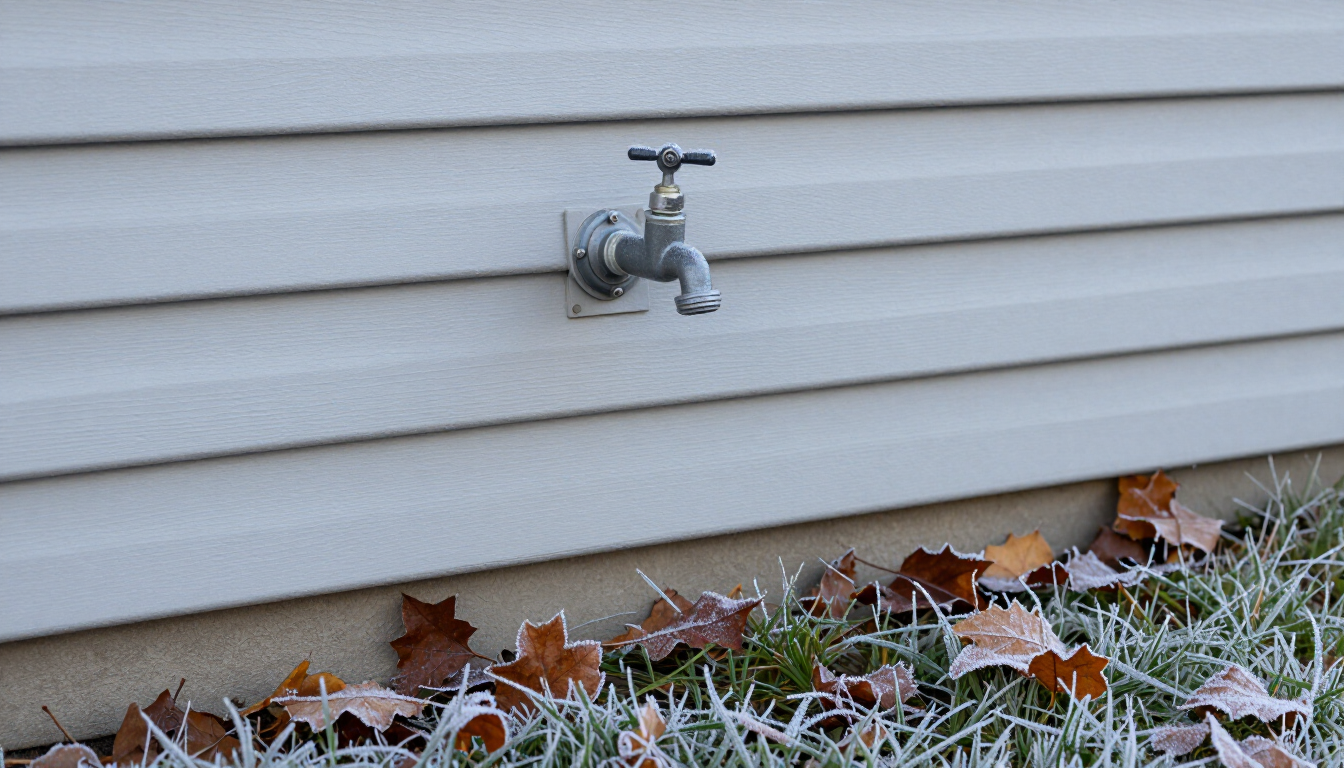
When the temperatures start dropping, most homeowners begin thinking about their heating system, their holiday plans, and maybe even their winter grocery list. What many people do not think about right away is their plumbing. I see this every year. Winter arrives, the first cold snap hits, and suddenly phones start ringing because pipes froze or a water line burst overnight. As someone who has been inside countless homes during winter emergencies, I can tell you that frozen pipes are one of the most disruptive and expensive plumbing problems a homeowner can face. The good news is that most winter plumbing issues are preventable, and that is where Plumbing Police comes in. Every home has vulnerable points in its plumbing system. Some pipes run through exterior walls. Some are in attics, basements, crawl spaces, or garages. These areas cool down much faster than the living spaces inside your home. When the temperature around a pipe drops far enough, the water inside can freeze. When water freezes, it expands. That expansion creates pressure inside the pipe until something gives. Sometimes the pipe cracks. Sometimes it bursts completely. Either way, once it thaws, you are dealing with a significant leak that can cause water damage to floors, walls, ceilings, and personal belongings. When I visit a home for winter readiness, one of the first things I do is identify these vulnerability points. Many homeowners are surprised to learn how many areas of their home are at risk. They often tell me they had no idea their plumbing ran through certain spaces. That is exactly why a professional inspection matters. My job is to understand how the plumbing in a home is laid out and to spot potential hazards before they turn into emergencies. Once I know where the risks are, I can take steps to secure those areas and protect the pipes from extreme cold. One of the most common winter plumbing issues I see involves outdoor hose connections. Homeowners disconnect their hoses, but the outdoor spigot or the line leading to it is still exposed to the cold. When that line freezes, it often bursts behind the wall. The homeowner does not see the damage immediately because the pipe is still frozen. The moment temperatures rise, water starts flowing into the wall cavity. By the time the homeowner realizes something is wrong, the damage is already significant. This is why I always check outdoor connections during a winter plumbing inspection. A quick professional evaluation can prevent major water damage. Another area that causes problems in winter is the water heater. As temperatures drop, the demand for hot water increases. If your water heater is aging or struggling, the winter season will usually reveal the issue. I check the condition of the heater, look for signs of wear, and make sure it is operating efficiently. The last thing you want in cold weather is a surprise breakdown. When your water heater is not performing correctly, that is not just inconvenient. It can also create strain on your plumbing system and affect the way water flows throughout your home. Insulation also plays a major role in preventing frozen pipes. Many homes have insulation that was installed decades ago. Over time it settles, shifts, or loses effectiveness, leaving gaps that allow cold air to reach your pipes. When I inspect a home, I look for these weak spots and let you know what needs attention. My goal is not just to prepare your plumbing for one winter but to help protect your home in the long term. A major part of my winter preparation work involves evaluating the water pressure in a home. High water pressure may not seem connected to freezing, but it contributes to how pipes react to temperature changes. Pipes under constant strain are more likely to fail when ice forms inside them. During an inspection, I check your pressure levels and make sure everything is operating within a safe range. Homeowners often tell me they had no idea their pressure was too high until I pointed it out. Addressing it early protects your plumbing throughout the year, not just during winter. I also help homeowners understand the layout of their shutoff valves. If a pipe ever bursts, knowing exactly where to shut off the water can save thousands of dollars in damage. You would be surprised how many people are not sure where their main shutoff valve is located. When I visit, I point it out and explain how it works. Even though I handle the repairs, having that knowledge gives homeowners peace of mind. One thing I emphasize during winter preparation is that waiting until the first freeze hits is never a good idea. By then, the risk is already high. Winter plumbing issues are easier to prevent before temperatures drop to the danger zone. Once a pipe freezes, the situation becomes unpredictable. It might thaw without bursting, or it might rupture and create a sudden emergency. I have seen both scenarios, and the stress it causes homeowners is something I work hard to help them avoid. When you call Plumbing Police for winter readiness, you are not just getting a quick visit. You are getting a full inspection of your plumbing system with a focus on long term protection. I look for weak points, wear, outdated components, and any signs that cold weather will put your home at risk. If something needs to be corrected, I give you clear and honest guidance. I want to help you make the right decisions for your home before the cold weather arrives. Winter should be a time when your home feels comfortable, safe, and stress free. Plumbing issues should not be part of your season. If you want to avoid the headaches that come with frozen pipes, leaking lines, or failing water heaters, now is the time to take action. I am here to help you prepare your home properly so you can enjoy the winter without worry.  If you are ready to protect your home from winter plumbing problems, reach out today. Plumbing Police is here to inspect, secure, and strengthen your plumbing system before cold weather hits. Book your winter preparation service and let me make sure your home stays warm, safe, and protected all season long.
October 20, 2025
A toilet that never stops running is one of the most common issues I hear about from homeowners. They walk past the bathroom and notice that familiar sound of water moving when no one has used the toilet. Sometimes it comes in waves. Other times it is a steady flow that continues all day. The truth is that a running toilet wastes a surprising amount of water. It also signals that something inside the tank is not functioning the way it should. When I show up to fix one, the homeowner usually tells me they thought it was no big deal until the water bill arrived or until the noise started keeping them up at night. That is when they realize it has gone on long enough. A toilet is a simple fixture on the outside, but the inside has several moving parts that must work together. When one part wears out or shifts even slightly out of alignment, the toilet starts to run. The most common causes involve the flapper, the fill valve, the float position, or a loose chain that keeps the flapper from sealing the way it should. Each situation looks similar from the outside, because water continues to flow, but each issue has a different long term impact on your plumbing system. One of the biggest misconceptions homeowners have is that a running toilet only wastes a little water. In reality, a single toilet that runs nonstop can waste hundreds of gallons a day. I have walked into homes where the homeowner had no idea how serious the problem was until I showed them the numbers. They usually respond with disbelief. It is hard to imagine that such a small internal issue can waste so much water, but that is exactly what happens. Water flows in a constant loop from your tank to the drain, and the meter keeps turning the whole time. Fixing the toilet quickly is the easiest way to stop that waste and save money. Another important thing to understand is that a running toilet can point to mineral buildup or aging components inside the tank. Over time, hard water leaves deposits that affect how the internal parts move. The flapper can harden, the valve can stick, and the float can become less responsive. Many homeowners never open the tank, so they do not see the condition of the parts inside. I examine everything carefully because I want to make sure the issue is resolved completely. If I replace one part but overlook another part that is aging or failing, you will be dealing with another running toilet again before long. My goal is to fix the root cause, not the surface symptom. There is also the issue of noise and everyday comfort. A toilet that runs all night can make a home feel restless. I hear this often from parents who have young kids or anyone who is a light sleeper. Even if the bathroom door is shut, the steady water sound can echo through the house. When I finish the repair and the noise stops, the sense of relief is immediate. The entire atmosphere of the home feels calmer. Plumbing is one of those things people forget about when it works, but when something is off, it affects the feel of the entire space. One of the reasons I encourage homeowners to call Plumbing Police instead of living with a running toilet is that ignoring it can eventually lead to bigger problems. Excess water movement inside the tank can loosen seals, strain the fill valve, and create a constant cycling pattern that shortens the life of your plumbing system. Toilets are built to last a long time, but they need the internal components to function properly. When the problem continues for weeks or months, what started as a minor leak turns into a repair that could have been avoided. I also want to point out that trying to solve toilet issues without experience can lead to unintended damage. Homeowners often think the inside of a toilet tank is simple, but modern toilets have more advanced components than older models. A small adjustment done incorrectly can cause cracks in the valve, misalignment of the float, or an issue with the chain tension that creates a new leak. I have walked into homes where someone attempted a repair, only to create a bigger problem. They usually laugh about it because their intention was good, but I always remind them that plumbing repairs require training and the right tools. Calling me early prevents these complications and saves money in the long run. When I repair a running toilet, I take a detailed approach. I check the flapper, the chain, the fill valve, the float level, and the condition of the tank components. I look for signs of mineral buildup or hidden wear that might cause future problems. When the repair is done, I test everything multiple times to make sure the toilet runs smoothly and shuts off exactly the way it should. I want you to have confidence that the issue is resolved and that you will not hear that constant water noise again. Another advantage of calling Plumbing Police is the level of transparency and explanation I provide. I never leave a homeowner guessing. I walk you through what went wrong, what I repaired, and what to watch for in the future. Many of my customers tell me they appreciate how easy I make the process because plumbing issues can feel overwhelming when you do not understand what is happening. My goal is to keep the experience simple, clear, and stress free. A running toilet might not seem urgent when you first notice it, but it becomes more serious the longer it continues. It wastes water, increases your bill, wears down your plumbing components, and disrupts the comfort of your home. When you call Plumbing Police, I take care of it quickly and make sure the repair is done right. I want your toilet to operate the way it should, without noise, without waste, and without worry.  If you are dealing with a toilet that will not stop running, reach out today. I will handle the inspection, the repair, and everything in between. Plumbing Police is your trusted partner for keeping your home in top shape. When something sounds off or feels off, I am here to fix it. Do not wait until the water bill climbs or the noise becomes unbearable. Book your service call and let me solve the problem once and for all.
October 10, 2025
A dripping faucet might feel like one of those small annoyances that you can ignore for a while. It is just a light tap sound in the background or a few drops of water that gather in the sink. I talk to homeowners every week who have lived with that small drip for months before finally reaching out. I get it. Life gets busy and the faucet still works, so it seems like something that can wait. The truth is that a dripping faucet is more than a mild irritation. It is a sign that something is going wrong inside your plumbing system, and the longer it goes untouched, the more it can cost you in wasted water and future repairs. When I visit a home with a dripping faucet, the homeowner usually asks one question. Why is it doing this. The answer is not always simple because faucets are built with different components, and the source of the problem can vary. Sometimes the issue is a worn internal part that has reached the end of its lifespan. Other times the problem is water pressure that is slightly too high. There are also situations where the faucet was not installed correctly years ago, and only now is it starting to show signs of wear. No matter what the cause is, I always look deeper than the surface because a drip is often the first warning that something else is developing. The first reason I encourage people to call Plumbing Police when they notice a drip is because water waste adds up faster than most realize. A single faucet that drips once every second can waste hundreds of gallons of water in a month. If you live in an area with higher utility rates, that drip can directly increase your monthly bill. When I point this out to homeowners, they usually respond with surprise because the drip seems so minor. The moment I show them the math, the small problem suddenly looks a lot bigger. Fixing it early is always the most cost effective choice. Another reason a dripping faucet deserves attention is that it can be a symptom of issues beyond the faucet itself. If I walk into a home and find that multiple faucets have mild leaks, that tells me the homeowner might be dealing with higher than normal water pressure. This kind of pressure does not just wear out faucets. It puts a strain on your entire plumbing system. Pipes, valves, and water using appliances all age faster under excess pressure. By addressing the drip early, I can catch these other problems before they turn into expensive repairs. There is also the issue of noise and comfort. Homeowners often live with a dripping faucet longer than they should because they adjust to the sound. But once I repair it, the same homeowner usually tells me they sleep better or feel more at ease in their own kitchen or bathroom. It is surprising how something so small can change the atmosphere in a home. Part of my job is restoring that comfort and making the space feel right again. One of the most important things I tell people is that trying to fix a faucet on your own can end up causing more damage, especially with newer faucet designs. Modern fixtures have more complex components than older models, and a small mistake can break seals, strip threads, or create a bigger leak than the one you started with. I have been called to many homes where someone attempted a quick repair only to end up needing a full faucet replacement because an internal part cracked. I never judge anyone for trying to save money, but I always remind people that plumbing repairs require the right tools and training. Bringing in a professional early saves time, prevents mistakes, and ensures the problem is solved correctly the first time. When I handle a dripping faucet for a homeowner, I do not just fix the symptom. I take the time to inspect the faucet, the connections, and the surrounding plumbing. I want to know why the problem happened, not just what the problem is. That approach helps me prevent repeat issues. When the job is done, the faucet works like new, and the homeowner has peace of mind knowing it was handled with care and expertise. Another benefit of calling Plumbing Police is that we treat every service visit like an opportunity to protect the long term health of your home. If I notice early signs of corrosion, unusual pressure changes, or mineral buildup that could affect other fixtures, I point it out and give you clear guidance on what to do next. You never have to guess or worry because I walk you through what I find and explain everything in plain language. Many customers tell me this level of transparency is why they trust us with every plumbing need. A dripping faucet might not seem urgent at first, but it is one of the clearest early signs that something needs attention. By calling Plumbing Police, you avoid water waste, prevent bigger problems, and keep your home running the way it should. I am here to make sure the repair is done right and to help you avoid future headaches. If you notice a faucet dripping in your home, even if it seems minor, reach out. I will take care of it quickly, professionally, and with the level of detail your home deserves.  Your plumbing is too important to leave to chance. When something feels off, even something as small as a drip, let me handle it. Plumbing Police is here to protect your home, save you money, and keep everything flowing the way it should. If you are dealing with a faucet that will not stop dripping, book a service call today and let me take it from here.
October 3, 2025
When you start a new construction project or remodel your home, there are countless details to manage. From permits and design choices to hiring contractors, it can feel overwhelming. One area you cannot afford to overlook is plumbing. Choosing a licensed plumber in Fredericksburg is not just about making sure your sinks and showers work. It is about ensuring safety, compliance, and long-term reliability for your property. At Plumbing Police, we have seen the difference a licensed professional makes, and we want homeowners and business owners to understand why this step is so critical. Plumbing is one of the most important systems in any building. It carries clean water into the property and removes wastewater safely. If this system is installed incorrectly, the consequences can be severe. Leaks behind walls can cause structural damage and mold growth. Improper connections can lead to contamination of your water supply. Even small mistakes can create expensive repairs that surface months or years after the project is complete. That is why hiring a licensed plumber for remodels in Spotsylvania or any other part of the Fredericksburg area is one of the smartest investments you can make. One of the biggest benefits of working with a licensed plumber is compliance with local codes and regulations. Building codes exist to protect homeowners, businesses, and the public. If your remodel or new construction does not meet code, you may face failed inspections, fines, or even delays in selling the property later. A licensed plumber knows these codes inside and out and ensures that every installation passes inspection. At Plumbing Police, our decades of experience in Fredericksburg and surrounding counties mean we are familiar with local requirements and know how to deliver work that is fully compliant. Another important factor is safety. Plumbing work often involves more than just pipes and fixtures. It can require connecting to gas lines for water heaters, coordinating with electrical systems, and working with high-pressure water lines. Mistakes in these areas can be dangerous. Licensed plumbers are trained to handle these situations properly, reducing risk to your family or your business. When you search “licensed plumber Fredericksburg” and choose Plumbing Police, you know the job will be handled with the right expertise and care. Cost is always a concern during construction or remodeling. Some homeowners are tempted to cut corners by hiring an unlicensed handyman or attempting DIY plumbing work. While it may save money upfront, the long-term costs can be much higher. Improper installations often lead to leaks, clogs, or system failures that require expensive repairs. In some cases, insurance companies may even deny coverage for damages if the work was not done by a licensed professional. When you compare those risks to the peace of mind that comes with professional service, the choice becomes clear. Commercial properties face even greater pressure to get plumbing right the first time. Restaurants, retail stores, and office buildings all rely on reliable plumbing systems to keep operations running smoothly. A failed installation can cause downtime, lost revenue, and frustrated customers. Commercial plumbing installation requires specialized knowledge to handle larger systems, higher demands, and stricter codes. At Plumbing Police, we provide commercial plumbing services for businesses throughout Fredericksburg, Spotsylvania, Stafford, and nearby communities. Our team understands the complexity of these systems and delivers results you can count on. Remodeling projects also create unique challenges. When you update a bathroom or kitchen, you are often tying new fixtures into existing plumbing systems. If the old system has hidden issues, those problems can resurface quickly. Licensed plumbers know how to assess the condition of existing pipes, drains, and water lines to ensure they can handle the new setup. This prevents surprises down the road and helps your remodel last for years to come. Searching “plumber for remodel Spotsylvania” should connect you with a team that has the knowledge and experience to handle these details, and Plumbing Police fits that description perfectly. One of the other advantages of working with a licensed plumber is access to the latest tools and techniques. Plumbing has evolved significantly in recent decades, with more efficient water heaters, better pipe materials, and advanced diagnostic equipment. At Plumbing Police, we use modern technology to identify problems faster and install systems more efficiently. This saves you time, money, and frustration during your construction or remodel. Partnerships are another area where licensed plumbers provide value. Builders, remodelers, and property managers across the Fredericksburg area trust Plumbing Police to handle their plumbing needs. Our “Partner With Us” program is designed to streamline communication and provide reliable service for ongoing projects. Whether you are a contractor managing multiple remodels or a property manager overseeing rental units, having a licensed plumber on your side means fewer headaches and more satisfied clients. Preventive maintenance is also part of the equation. Once your new plumbing system is installed, regular service ensures it continues to operate at peak performance. Licensed plumbers can schedule inspections, flush water heaters, clean drains, and check for early signs of wear. By building a long-term relationship with Plumbing Police, you know that the system installed during your remodel or new build will continue to serve you well for years. At the end of the day, your plumbing system is too important to leave to chance. Whether you are building a new home, remodeling a kitchen, or managing a commercial property, hiring a licensed plumber in Fredericksburg is essential. It protects your investment, ensures compliance with codes, and keeps your property safe. Plumbing Police has built a reputation on honesty, integrity, and expertise. We are here to provide the kind of professional service that gives you confidence in every project.  If you are planning a remodel or new construction project, do not wait until the last minute to secure a licensed plumber. Call Plumbing Police today to discuss your plans, get honest recommendations, and schedule reliable plumbing service. We proudly serve Fredericksburg, Spotsylvania, Stafford, and surrounding communities with the same dedication we have shown for decades. When you work with us, you are not just hiring a plumber, you are choosing a trusted partner for your project’s success.