How to Winterize Your Outdoor Spigot Before the First Freeze
A frozen outdoor spigot can turn into a split pipe and a soaked crawlspace. It is also one of the easiest cold-weather problems to prevent. If you live in Stafford or anywhere around Fredericksburg, now is the time to learn how to winterize your outdoor spigot, before the first hard freeze shows up overnight.
Why Outdoor Spigots Freeze First
Your outdoor spigot, also called a hose bib, sits at the end of a water line that runs through an exterior wall. That pipe gets less heat from the house than almost any other line you have. When water trapped inside it freezes, it expands, and that pressure can split the pipe or the valve.
The tricky part is that the damage often stays hidden until spring. A split pipe inside the wall won't leak while the water is off. The first time you turn on the hose in April, water can pour into your wall, basement, or crawlspace instead of out the spout.
Key takeaway: Winterizing is about getting water out of the part of the pipe that's exposed to cold. If there's no water in it, there's nothing to freeze.
How to Winterize Your Outdoor Spigot, Step by Step
You don't need special tools for this. Grab a flashlight and plan on doing each spigot around your house.
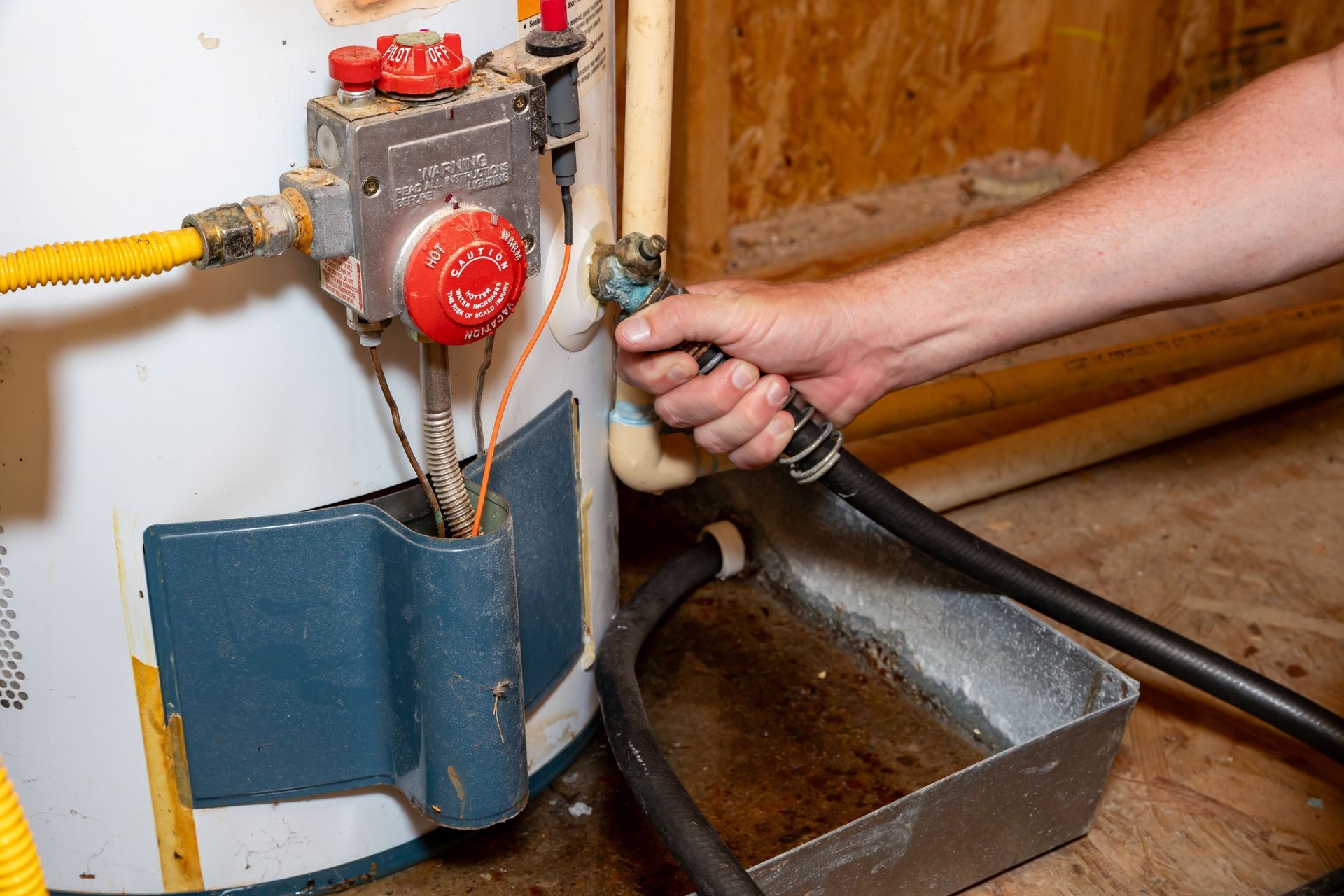
- Disconnect and drain every hose. A connected hose traps water in the spigot, even on a frost-free model. Drain your hoses and store them in a garage or shed. A hose left hooked up all winter is one of the usual suspects behind a cracked spigot.
- Find the interior shutoff valve. Many outdoor spigots have their own shutoff inside the house. Look in the basement, crawlspace, or utility room on the pipe that heads toward the wall where the spigot is. It may be a small round handle or a lever.
- Close the interior valve. Turn a round handle clockwise until it's snug, or turn a lever so it sits crosswise to the pipe. Don't force a valve that won't move. Old valves can break if you crank on them.
- Open the outdoor spigot. Head outside and open the spigot so the water in that short section of pipe can drain out. Leave it open as long as the interior valve stays closed. That gives any leftover water room to expand.
- Add an insulated faucet cover. A foam faucet cover from any hardware store slips over the spigot. It adds a layer of protection on the coldest nights.
- Insulate exposed pipe you can reach. If the pipe to the spigot runs through an unheated crawlspace or garage, foam pipe sleeves help keep it from freezing.
Can't find an interior shutoff? Some homes don't have one, especially homes with frost-free spigots. That's usually fine for a frost-free spigot. If you have a standard spigot and no shutoff, it's worth having one added before winter.
Frost-Free vs. Standard Spigots
A frost-free spigot has a long valve stem that stops the water deep inside the wall, where it's warmer. A standard spigot stops the water right at the outside handle. That leaves water sitting in the coldest part of the pipe.
| Question | Standard spigot | Frost-free spigot |
|---|---|---|
| Where does the water stop? | At the outside handle | Inside the heated wall |
| Freeze risk if ignored | High | Lower, but not zero |
| Close interior shutoff? | Yes, every winter | Recommended if you have one |
| Disconnect the hose? | Yes | Yes, always |
Frost-free does not mean freeze-proof. If a hose stays attached, water can't drain out of the long valve stem. It can freeze and crack inside the wall, out of sight. If you're not sure which type you have, a plumber can tell you quickly and let you know whether an upgrade makes sense.
Signs Your Spigot Already Has Freeze Damage
If a past winter got to your spigot before you did, watch for these signs:
- Water drips or sprays from behind the spigot or the siding when you turn it on
- Damp drywall, water spots, or puddles inside near the wall where the spigot is
- Weak or no flow, even with the spigot and interior valve fully open
- A handle that spins without shutting the water off
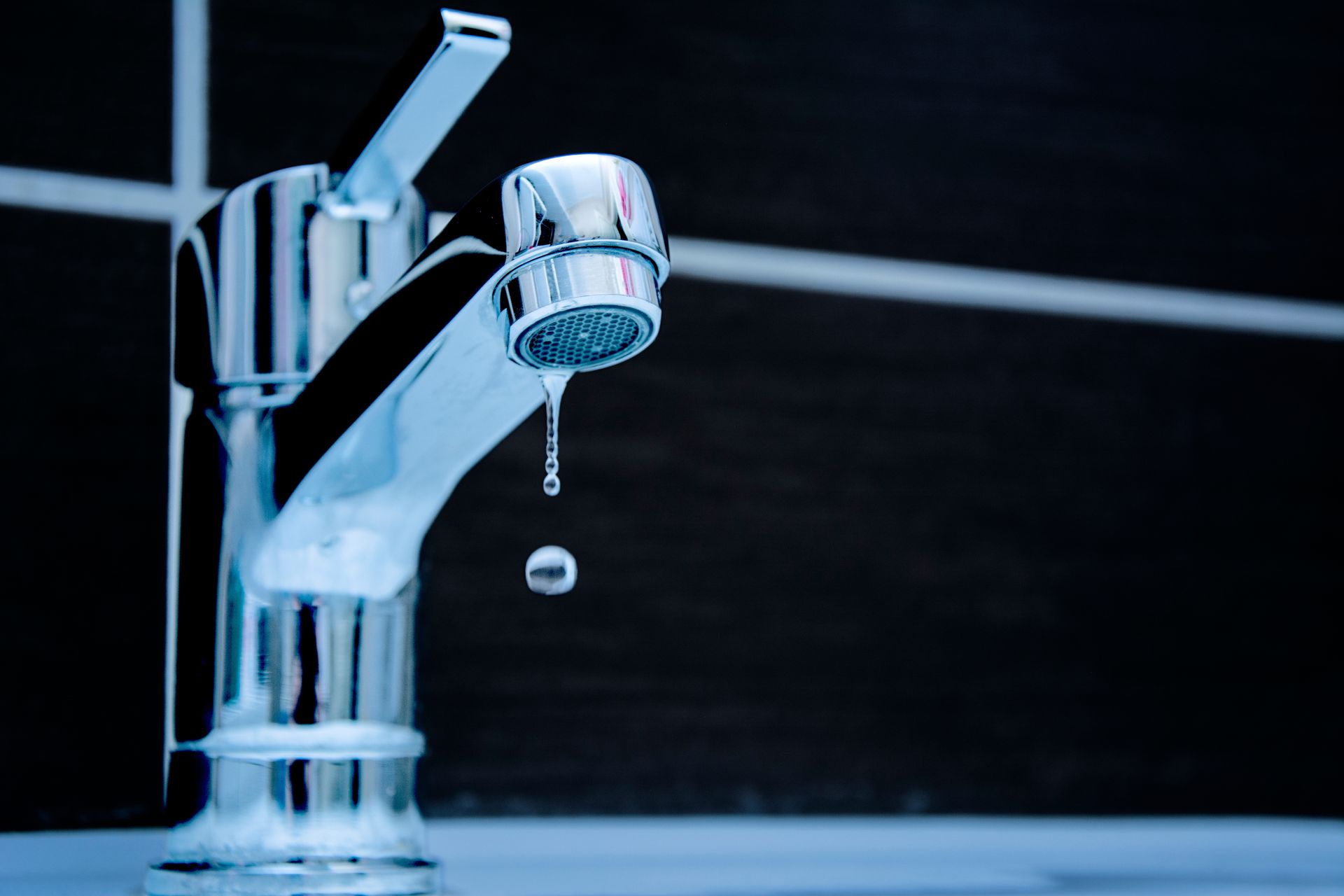
- A steady drip when the spigot is closed. Like a leaky faucet indoors, it wastes water and usually gets worse.
If water is coming into the house, close the interior shutoff right away. If you can't find it, close your main water shutoff and call us.
When to Call a Plumber
Disconnecting hoses and adding a cover are easy DIY jobs. Some situations need a licensed plumber:
- You have a standard spigot with no interior shutoff and want one added
- The interior valve is stuck, leaking, or crusted with corrosion
- You see signs of a split pipe or water inside the wall
- You want to upgrade to a frost-free spigot
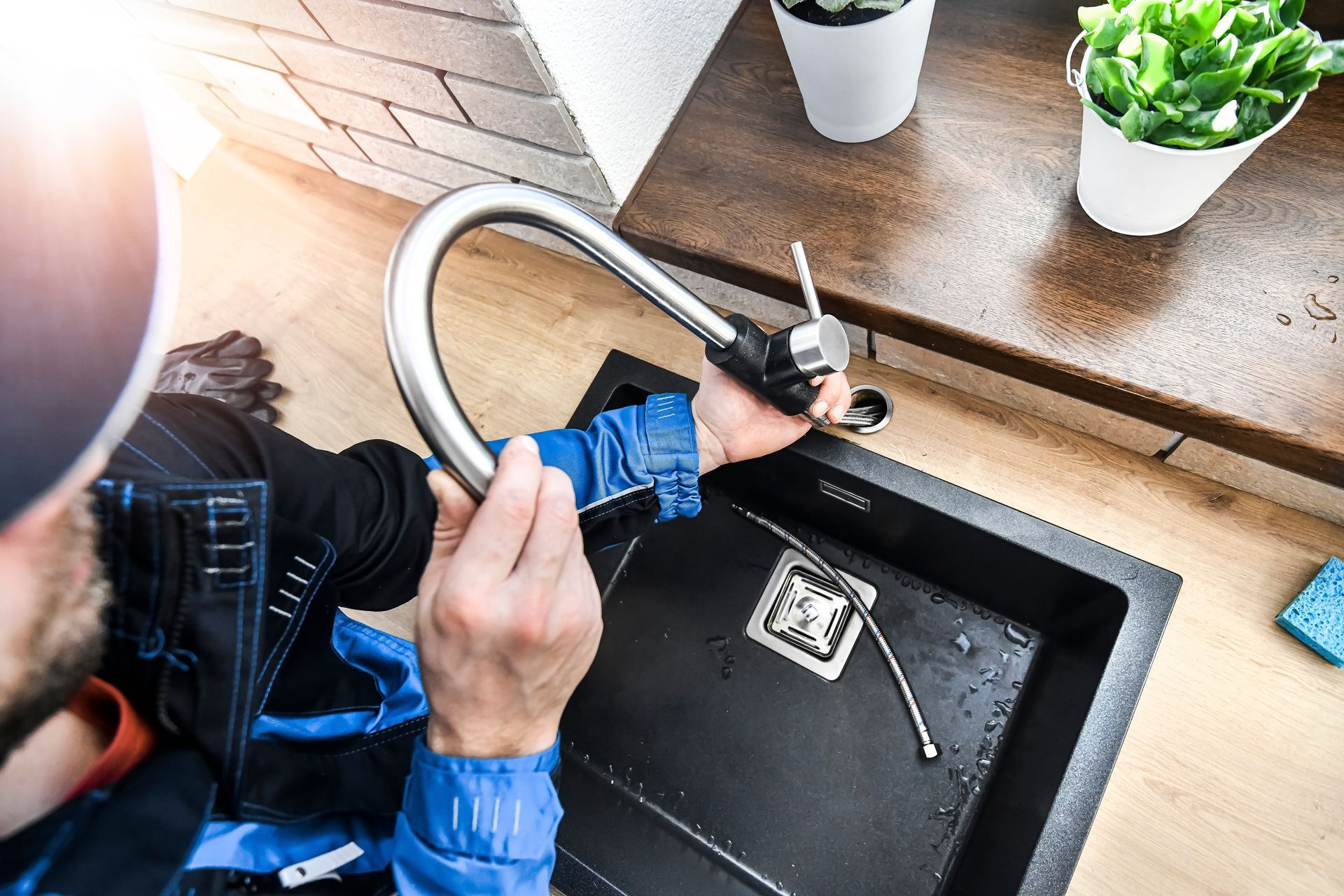
- The spigot is damaged and needs replacing, which means cutting and joining pipe
Our faucet repair and installation service covers outdoor hose bibs, from replacing worn spigots to installing frost-free models. If a spigot line bursts after a cold snap, our emergency plumbing team is available 24/7.
Want to protect the rest of your plumbing too? Read our guide to preparing your home for winter.
Get Your Spigots Ready Before the Freeze
Not sure your outdoor spigots are protected? Plumbing Police has served Stafford, Fredericksburg, and the surrounding area since 1985. Call before cold weather arrives so a small fix doesn't become a spring flood. If something freezes and splits this winter, we answer 24/7.
Call (540) 371-3570 or contact us online.