Fall Is a Good Time to Test Your Well Water in King George
If your home in King George gets its water from a well instead of a city system, you're responsible for something that most homeowners never think about: knowing what's actually in your water. City water is tested and treated before it reaches your tap. Well water isn't, unless you're the one testing it.
This article assumes your home is on well water and a septic system, not city water and sewer — the advice below doesn't apply the same way if you're on municipal service.
Why Fall Is a Good Time to Test
Well water quality can shift with the seasons. Heavy spring and summer rain can carry runoff into groundwater, and a long dry stretch can concentrate minerals as water levels drop. Testing in the fall gives you a read on your water after both of those conditions have had a chance to affect it, and it puts you ahead of winter, when frozen ground makes it harder to get well work done if something needs attention.
What a Water Test Actually Checks
A proper water test looks at more than just how the water tastes. The most useful tests for well water cover:
- Hardness — calcium and magnesium levels that cause scale buildup in pipes, water heaters, and appliances
- Iron — a common cause of staining, metallic taste, and appliance damage in this region's well water
- pH levels — water that's too acidic or too alkaline can corrode pipes over time or leave water tasting off
- Bacteria — particularly important to check annually, since well water isn't chlorinated the way city water is
Some of these you can get a rough read on with an inexpensive home test kit. Bacteria testing, and anything you plan to act on, is worth having done by a professional so the results are reliable.
Signs Your Water Needs a Closer Look
You don't have to wait for an annual test to notice a problem. Watch for:
- A metallic or sulfur smell, especially from hot water
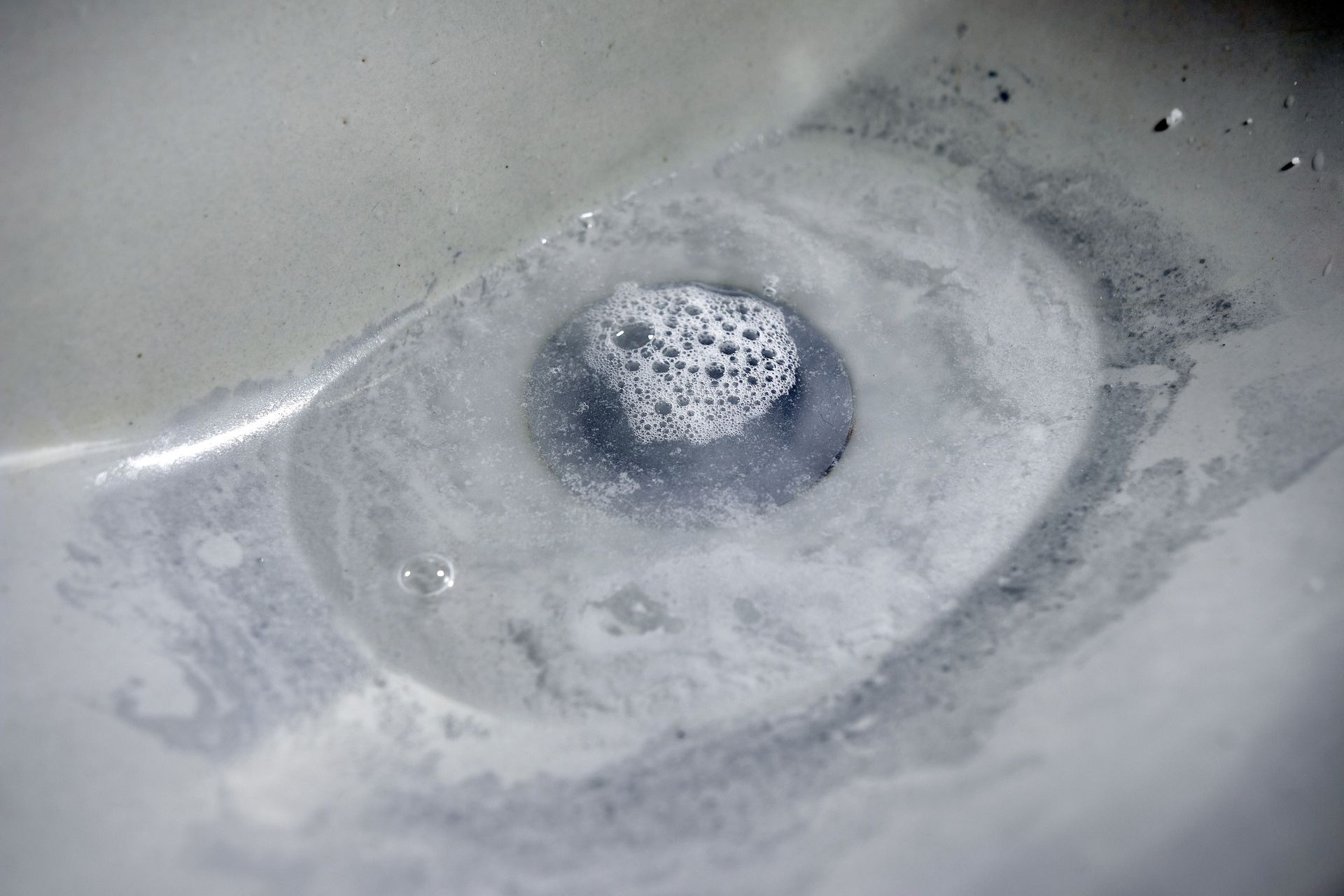
- Orange or reddish-brown staining in sinks, tubs, or toilets
- Water that feels slippery or leaves spots on dishes and glassware
- Cloudy or discolored water straight from the tap
- Noticeable scale buildup on faucets or showerheads
Any one of these is a reason to test sooner rather than waiting for a scheduled check.
What Happens After Testing
A water test only tells you what's in your water — it doesn't fix it. If the results show hardness, iron, or pH issues, the usual next step is some form of treatment: a whole-home filtration system, a water softener, or an iron removal system, depending on what the test finds. This is where professional water testing and treatment makes a real difference, since the right fix depends entirely on what's actually in your specific well.
We don't recommend guessing at treatment based on symptoms alone. A softener won't fix an iron problem, and an iron filter won't fix hardness. Getting a whole-home filtration or softener system matched to your actual test results is what makes the investment worth it.
Don't Forget Your Well Pump and Pressure Tank
Water quality issues sometimes show up alongside pressure issues, since both are tied to the same well system. If your water quality has changed at the same time you've noticed weaker flow at the tap, it's worth mentioning both when you call, since they can be related. We've written more on what causes low water pressure if that's part of what you're seeing.
When to Call a Plumber
Call for a professional water test if:
- It's been more than a year since your last test
- You've noticed staining, odor, or a change in taste
- You're buying or selling a home on well water
- You've had recent flooding, construction, or well work nearby that could affect the water table