Signs of Hard Water in Your Fredericksburg, VA Home
Spots on your glasses that won't rinse away. A chalky white ring around the showerhead. Soap that never quite lathers. Those are the everyday signs of hard water in Fredericksburg, VA homes, and they usually mean minerals are collecting inside your pipes and appliances too.
Here's how to tell what you're dealing with, what you can handle yourself, and what actually solves it.
What Hard Water Actually Is
As water moves through rock and soil, it picks up dissolved minerals — mostly calcium and magnesium. The more it picks up, the harder the water. That's the whole story.
Hard water isn't a health problem. It's a wear-and-tear problem. Those minerals come out of solution when water sits, heats up, or evaporates, and they leave a hard deposit called scale. Scale narrows pipes, coats heating elements, clogs aerators, and shortens the life of anything that heats or moves water.
Signs of Hard Water in Your Home
Any one of these on its own could be something else. Several together tell you what's going on.
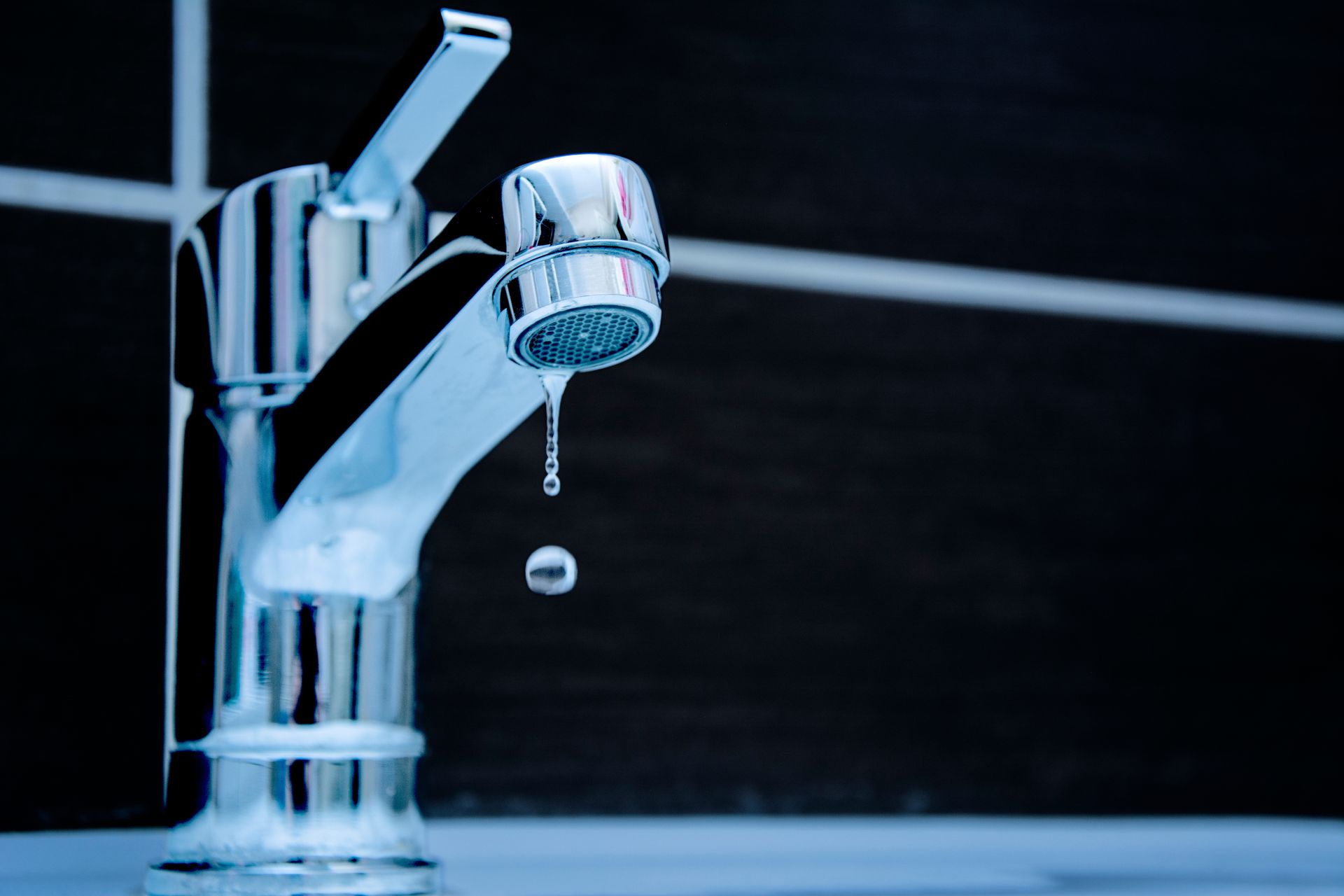
- White, crusty buildup on faucets, showerheads, and aerators
- Spotty glasses and dishes even straight out of the dishwasher
- Soap and shampoo that won't lather, plus a filmy feeling on your skin after a shower
- Dry skin and dull hair with no other explanation
- Laundry that comes out stiff, with colors fading faster than they should
- A ring around the tub that keeps coming back
- Weak flow from one fixture while the rest of the house is fine
- Rumbling or popping from the water heater
The key takeaway: if you're checking three or more boxes on that list, it's worth having your water tested instead of guessing. Hard water is a repeat offender, and it's easier to deal with before it costs you an appliance.
Why Hard Water Is Hard on Your Water Heater
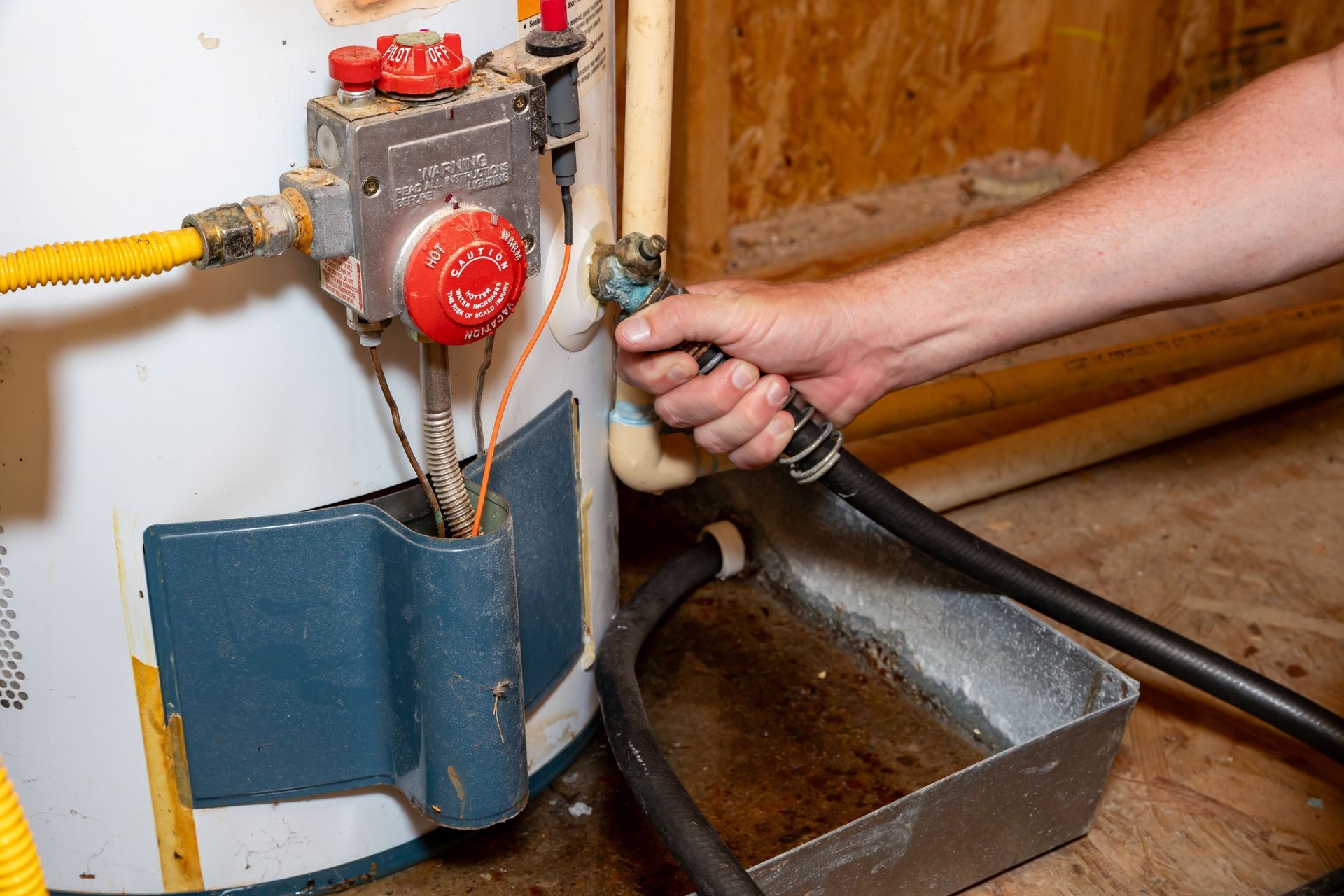
Your water heater takes the worst of it. Heating water drives minerals out of solution faster, and they settle in a layer at the bottom of the tank.
That layer acts like insulation between the burner or element and the water above it. The heater runs longer to hit the same temperature, which means higher energy use and more stress on the unit. The rumbling and popping some homeowners hear is water heating and forcing its way up through that sediment.
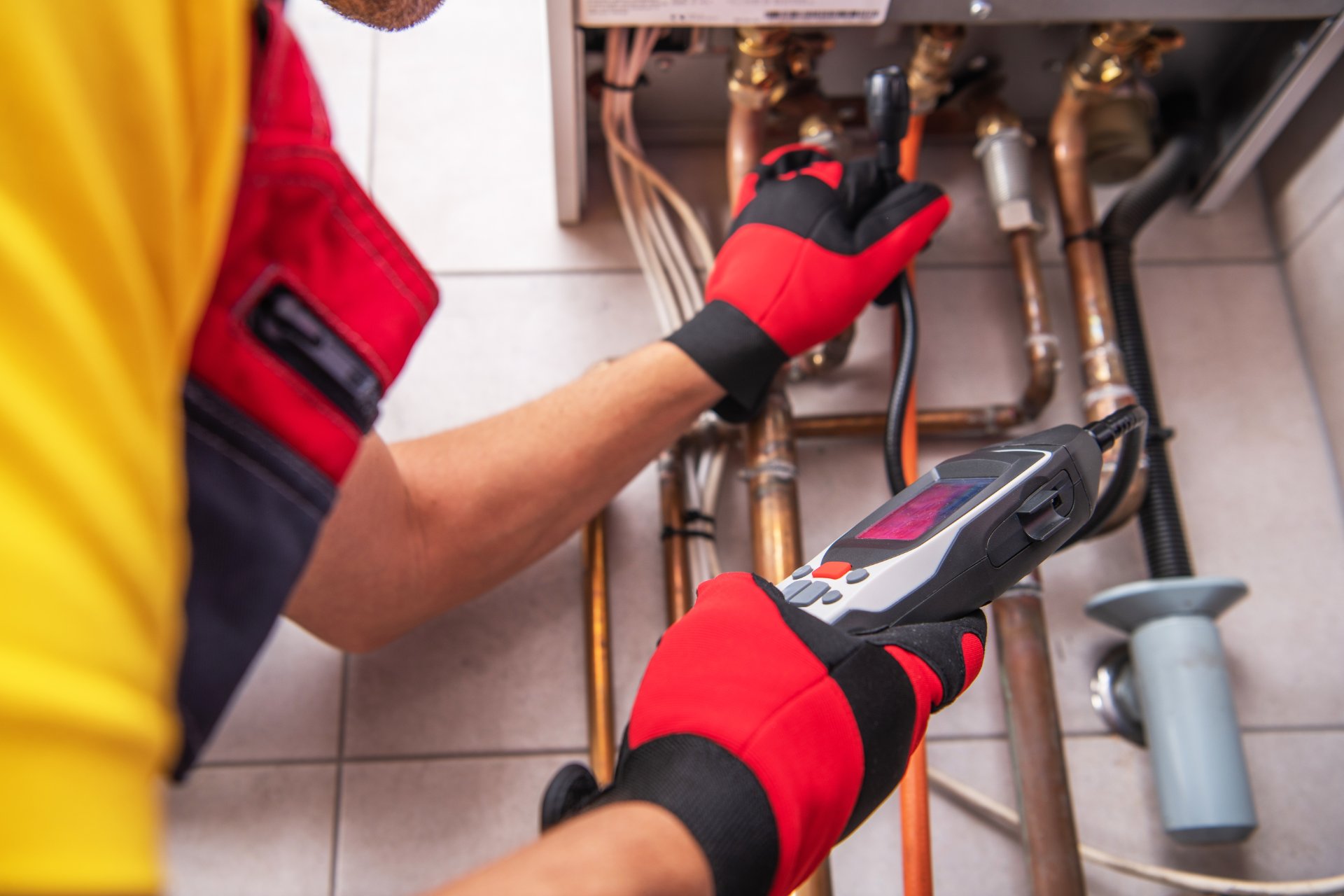
Over time, scale can shorten the usable life of a tank considerably. Flushing the tank helps, but it involves hot water under pressure and, on gas models, a gas connection — that's a job to have done professionally, not a weekend project. We cover the rest of the timeline in what Stafford County residents should know about water heater lifespans, and we handle water heater repair and installation when a unit is past saving.
City Water or Well Water? It Changes the Answer
Hardness shows up on both, but the full picture is different, and the fix follows the picture.
On city water
Public water is treated to be safe to drink, not to be soft. Hardness varies depending on the source and can change over time. If you're on city water, hardness and scale are usually the whole conversation.
On well water
Wells in the more rural parts of our service area often bring more to the table: hardness plus iron, a sulfur smell, sediment, or pH that sits outside the ideal range. Iron leaves orange or brown staining on fixtures and laundry. pH that's too low can slowly corrode pipes and fittings from the inside.
Either way, testing is the only way to know what's actually in your water. Two homes on the same road can test differently.
What You Can Safely Do Yourself
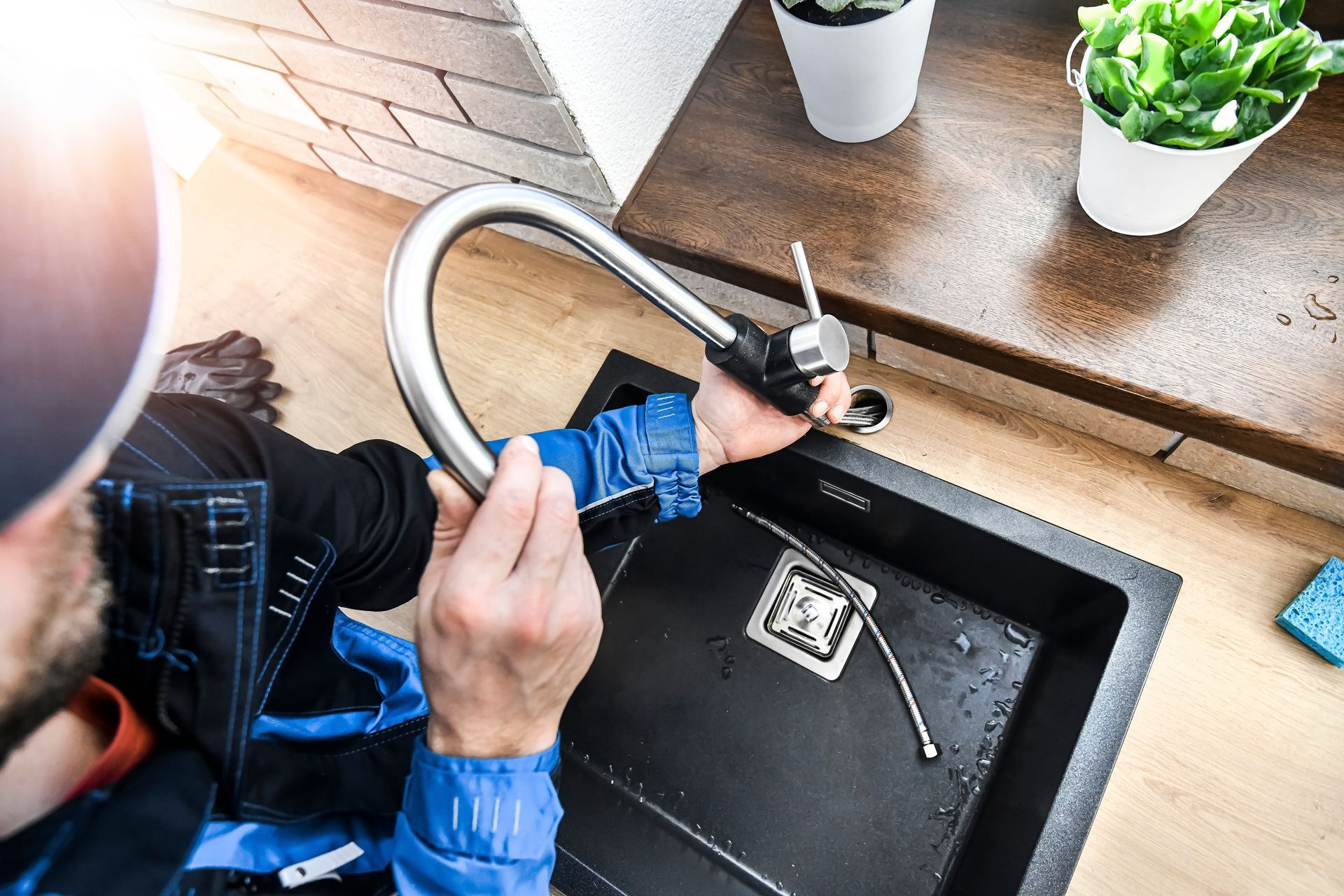
Mineral buildup on fixtures is genuinely a homeowner job. If one faucet or showerhead has weak flow while the rest of the house is normal, start here.
- Unscrew the aerator from the faucet tip, or the showerhead from its arm. Hand tight is usually enough; if not, wrap the fitting in a cloth before using pliers so you don't scratch it.
- Soak the part in white vinegar for a few hours to dissolve the deposits.
- Rinse it well and brush the screen gently with an old toothbrush.
- Reinstall it and run the water for a minute.
Drying fixtures after use also cuts down on spotting, since scale forms where water sits and evaporates.
One thing to avoid: if a drain is running slow, don't reach for chemical drain cleaner. It doesn't fix the underlying blockage and it's hard on older cast iron and PVC joints. Slow drains need to be cleared physically.
What Actually Fixes Hard Water
Cleaning fixtures treats the symptom. Treating the water treats the cause.
- Testing first. We check hardness, iron, and pH so the solution matches the problem instead of overshooting it.
- A water softener. Removes the calcium and magnesium before they reach your pipes, fixtures, and water heater. This is the standard answer for hardness.
- Whole-home filtration. Addresses taste, odor, and sediment alongside hardness.
- Iron removal. A targeted system for the staining and metallic taste that softeners alone won't fully handle.
Our water testing and treatment service starts with the test, because sizing and system type both depend on the numbers.
When to Call a Plumber
Reach out if you're seeing any of these:
- Flow keeps dropping even after you've cleaned the aerators
- Your water heater rumbles, pops, or runs out of hot water sooner than it used to
- Rust or orange staining in sinks, tubs, or on laundry
- Fixtures wearing out or leaking earlier than they should — we handle faucet repair and installation when a cartridge has finally given up
- You're on well water and it hasn't been tested in years
- You're planning a new water heater, a remodel, or a whole-home filtration system and want it sized correctly
Find Out What's In Your Water
Scale builds quietly, and the bill for ignoring it usually arrives as a failed water heater rather than a spotty glass. A test tells you where you stand and whether treatment is worth it for your home — and if it isn't, we'll tell you that too.
Call Plumbing Police at (540) 371-3570 to schedule water testing. We serve Fredericksburg, Spotsylvania, Stafford, Locust Grove, Orange, and King George, VA, with honest, straightforward service.