Where Should Your Thanksgiving Grease Go? (Hint: Not the Drain)
The turkey is out of the oven, and there's a pan full of hot drippings sitting on the stove. Pouring it down the sink feels quick and harmless. It isn't. Grease is one of the usual suspects behind kitchen clogs, and the days after Thanksgiving are when we see it most.
Here's how to dispose of cooking grease the right way, plus the myths that send so much of it down Stafford kitchen drains every November.
Why Grease Clogs Your Drain
Hot grease is liquid when it leaves the pan. As it travels through your pipes, it cools and turns thick and sticky. It coats the inside of the pipe, especially in the P-trap, the U-shaped bend under your sink.
That sticky layer catches food scraps, coffee grounds, and soap. Each holiday meal adds another layer. Eventually the opening gets small enough that water drains slowly, then stops.
Key takeaway: Grease clogs build up over time. One big holiday pour is often what finishes off a drain that was already narrowing.
Common Grease Myths
"I'll run hot water with it."
Hot water only carries grease a little farther before it cools and sticks. You're moving the clog deeper into the line, where it's harder to reach.
"The garbage disposal will handle it."
A disposal grinds solids. It doesn't break down fat. Grease can also gum up the disposal itself. See our post on garbage disposal problems and when to call a pro for more.
"A squirt of dish soap breaks it up."
Soap can break up a thin film on a plate. It won't keep a cup of drippings from hardening once it's in the pipe.
How to Dispose of Cooking Grease the Right Way
- Let it cool. Never handle hot grease. Give it time to cool in the pan.
- Pour it into a container. An empty can, a glass jar, or a sturdy disposable container works. Use a lid if you have one.
- Let it harden, then throw it in the trash. Once solid, seal it and toss it with your regular garbage.
- Wipe pans before washing. Use a paper towel to wipe out the leftover film, then throw the towel away.
- Scrape plates into the trash. Gravy, butter, and sauces are grease too.
Some communities offer cooking oil recycling, especially around the holidays. It's worth checking with your local waste services if you deep-fry a turkey and end up with gallons of oil.
Grease Do's and Don'ts
| Do | Don't |
|---|---|
| Let grease cool and pour it into a can or jar | Pour grease or oil down any drain |
| Wipe pans with a paper towel before washing | Rely on hot water to wash grease away |
| Scrape gravy and sauces into the trash | Run grease through the garbage disposal |
| Use a sink strainer to catch food scraps | Flush grease down the toilet |
| Call a plumber if the sink drains slowly | Use chemical drain cleaners on a grease clog |
If Your Home Is on a Septic System
Grease is just as hard on septic systems. It can build up in the tank and cause problems further down the line. If you're on septic, keeping grease out of every drain matters even more.
Skip the Chemical Drain Cleaners
When a kitchen sink slows down, it's tempting to grab a bottle from the store. Chemical drain cleaners can damage your pipes, especially older pipes and plastic joints, and they rarely clear a grease clog completely. Read more in our post on why drain cleaning isn't a job for chemicals.
When to Call a Plumber
- Your kitchen sink drains slowly or backs up.
- Water comes up in one side of a double sink when the other side drains.
- You hear gurgling or notice a bad smell from the drain.
- Plunging the sink didn't fix it, or the clog keeps coming back.
Repeat clogs usually mean buildup further down the line. Our post on why your drains keep clogging explains what professional cleaning can reach that a plunger can't.
Kitchen Drain Slowing Down? Call Before the Holiday Rush
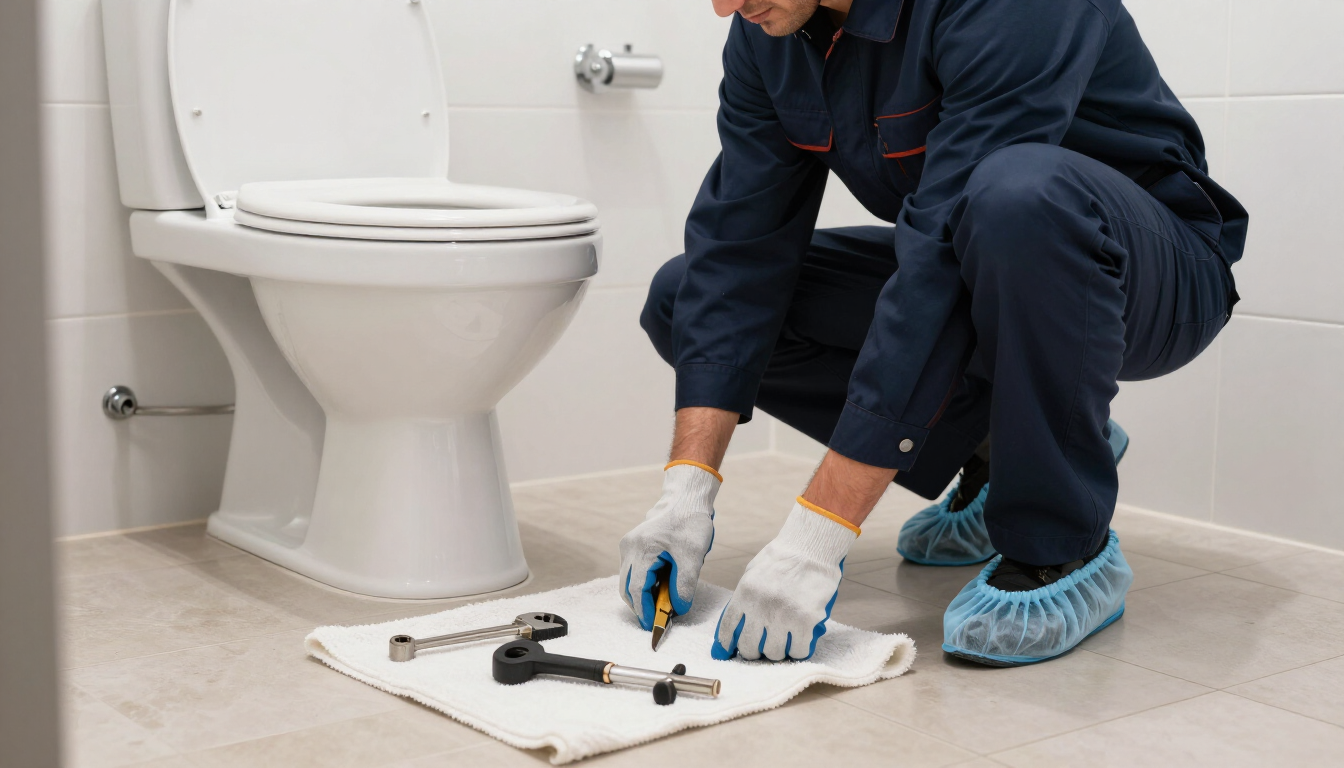
Plumbing Police provides professional drain cleaning for homes in Stafford, Fredericksburg, Spotsylvania, Locust Grove, Orange, and King George, and we're available 24/7 if your sink backs up mid-meal. Call now to get it cleared before a full house of guests makes it worse.